Winter Driving in Bosnia: Mountain Roads Safety Guide
Bosnia and Herzegovina has some of the most dramatic mountain roads in Europe. In summer, they're a joy to drive. In winter, they're a test of skill and preparation. From November through March, the Dinaric Alps transform into a snow-covered landscape where temperatures drop below freezing and roads can become impassable. If you're renting a car in Bosnia during winter, you need to understand the realities. This isn't about scaring you — thousands of people drive Bosnia's mountain roads every winter without incident. But they do so with the right equipment, the right information, and the right mindset. This guide covers the legal requirements, the practical challenges, and what you need to know before you turn the key.
Winter Tyre Requirements
Bosnian law requires winter tyres on all vehicles from November 15th to April 15th. This applies to every vehicle on the road, including rental cars. The tyres must be marked M+S (mud and snow) or carry the three-peak mountain snowflake symbol. Police regularly set up checkpoints, especially on mountain roads, and fines for non-compliance are steep. When you rent a car in winter, your rental company should automatically provide winter tyres, but you must verify this. Don't take their word for it — check the tyres yourself. Look for the M+S marking on the sidewall. Ask for written confirmation that winter tyres are fitted. This protects you if stopped at a checkpoint. All-season tyres with M+S marking are legally acceptable, though dedicated winter tyres perform significantly better in heavy snow and cold temperatures. Tread depth matters too — legal minimum is 1.6mm, but for winter driving you want at least 3-4mm remaining tread. Check the spare tyre as well — it should also be a winter tyre.
Dangerous Mountain Passes
Bosnia's mountain roads are spectacular and treacherous. The most dangerous route in winter is the road from Sarajevo to Travnik and Jajce. This climbs over Ivan Pass at over 1,000 metres and is frequently closed due to snow. When open, it requires snow chains in heavy conditions. The road from Sarajevo to Mostar — the M17 through the Neretva Canyon — is lower altitude and usually stays open, but the canyon sections can be icy and the tunnels are unlit. The route from Sarajevo to Montenegro via Foča is problematic — high altitude, narrow, and often impassable in winter. Even the main A1 motorway can be challenging in severe weather. The section near Sarajevo sits at 500 metres and gets heavy snow. The golden rule: if you're not experienced in winter mountain driving, stick to the main highways. Sarajevo to Mostar is manageable. Sarajevo to Travnik is not, unless conditions are perfect and you're properly equipped.
Rental Car Winter Preparation
Your rental company should prepare the car for winter, but you need to verify. Checklist for pickup: winter tyres fitted and in good condition, ice scraper and snow brush in the car, winter washer fluid (regular fluid freezes), working heater and demister, and snow chains available if requested. Ask specifically about snow chains. Most companies don't include them automatically, but they should be available for mountain routes. Check your lights — Bosnia requires headlights on at all times, and this is even more important in winter when visibility is poor. Verify the fuel level — running out in the mountains in winter is dangerous. Confirm the rental company's emergency number and save it in your phone. Ask about their winter breakdown policy — some companies have different procedures for mountain recoveries in winter. And check your insurance covers winter driving incidents. Some policies have exclusions for driving in severe weather conditions.
Sarajevo: Altitude and Weather
Sarajevo sits in a valley at 500 metres, surrounded by mountains that rise to over 2,000 metres. This creates unique weather patterns. The city itself can be clear while the surrounding mountains are impassable. Temperatures in Sarajevo regularly drop to -10°C or lower in January and February. Fog is common, especially in the mornings, and can linger for days. Snow falls regularly — the city averages 50+ snow days per year. When planning winter trips from Sarajevo, check the mountain weather separately from the city forecast. The mountains get more snow and colder temperatures. If you're heading anywhere that involves climbing — Travnik, Foča, or over the mountains to Montenegro — check mountain-specific forecasts. The Bosnian meteorological service provides detailed forecasts by region. Sarajevo's location means you're often driving uphill to leave the city. In snow, this drains momentum fast. Leave extra time for every journey and keep your fuel tank at least half full.
Safer Winter Routes
Not all Bosnian winter driving is dangerous. The best option is the A1 motorway from Sarajevo towards Kakanj and Zenica. It's lower altitude, well-maintained, and cleared quickly after snow. Sarajevo to Mostar via the M17 is usually manageable — the canyon keeps the road sheltered, though ice can form. Banja Luka to Sarajevo via the main highway is generally safe, though the section through Travnik is mountainous. For a scenic but manageable winter drive, try Sarajevo to Ilidža and the surrounding area. It's close to the city, lower altitude, and gives you a taste of Bosnian winter driving without the mountain risks. Avoid any cross-country routes unless you have winter driving experience and proper equipment. And never attempt mountain passes if there's any doubt about conditions — the Bosnian mountain rescue services are excellent, but you don't want to need them.
Emergency Situations
If you find yourself in trouble, stay calm and stay with the car. The car provides shelter — wandering into a Bosnian snowstorm is how people get lost and die. Call your rental company's emergency number first. If they can't help, call the Bosnian automobile club (BIHAMK) on 1282. If it's a genuine emergency, call 122 for police, 123 for fire, or 124 for ambulance. Keep your phone charged — cold drains batteries fast. Keep the engine running periodically for warmth, but make sure your exhaust pipe is clear of snow to prevent carbon monoxide poisoning. Use your hazard lights to make yourself visible. If you're stuck and help is coming, stay put. If conditions are life-threatening and you can't get help, consider walking to the nearest building — but only if you can see it and the route is safe. In most cases, staying with the car and waiting for rescue is the right move.
More Balkan road trip ideas
Frequently Asked Questions
When are winter tyres mandatory in Bosnia?
From November 15th to April 15th. Police checkpoints enforce this, especially on mountain roads.
Can I drive to Montenegro from Sarajevo in winter?
The mountain route via Foča is often impassable in winter due to heavy snow. Check conditions before attempting this route.
Are snow chains necessary in Bosnia?
For mountain driving in heavy snow, yes. Most rental companies have them available on request. Ask when booking if you're heading to mountains.
How cold does it get in Sarajevo in winter?
Temperatures regularly drop to -10°C or lower in January and February. Surrounding mountains are significantly colder.
What should I do if I get stranded in winter?
Stay with the car, keep warm, call your rental company or BIHAMK on 1282. Keep the engine running periodically for heat, but clear the exhaust of snow.
Final word
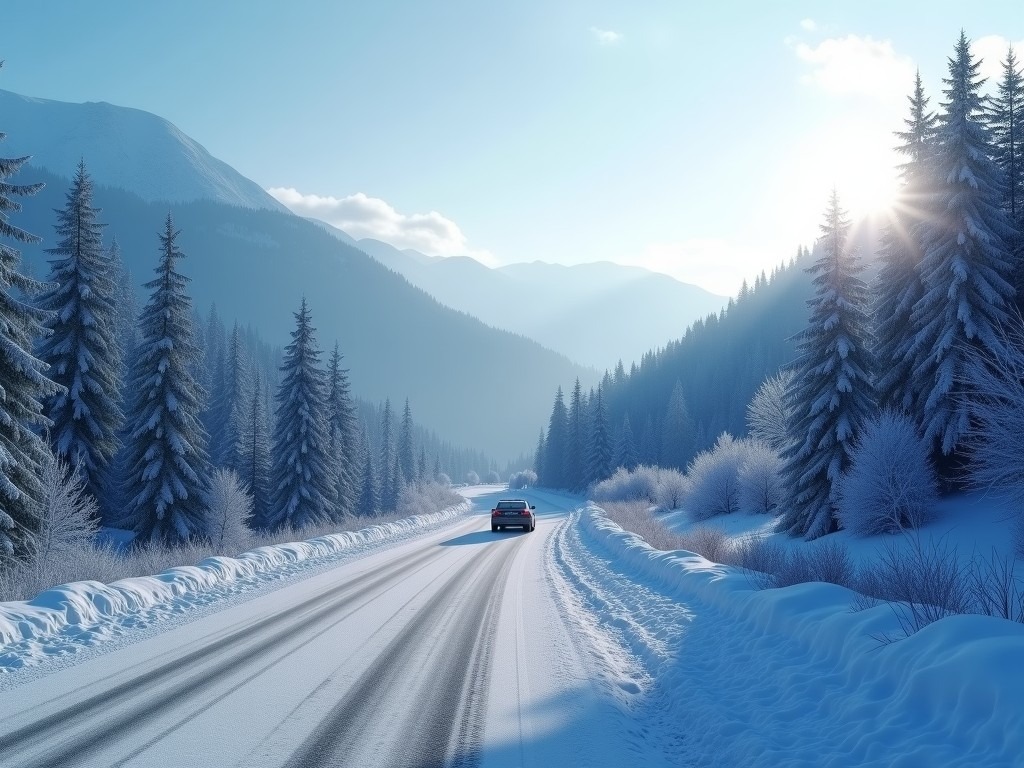
Winter driving in Bosnia is demanding but rewarding. With winter tyres, proper preparation, and cautious driving, you can explore the snow-covered mountains safely. Book your rental car with winter equipment confirmed, stick to manageable routes unless you're experienced, and respect the conditions. Bosnian winter roads are beautiful — just make sure you're ready for them.
No hidden fees. Free cancellation on many deals. Compare the major suppliers before you book.