Driving in Bosnia: What Nobody Tells You (Roads, Police, Fuel & More)
Here’s what the guidebooks won’t tell you about driving in Bosnia. It’s not terrifying, but it’s not exactly like driving in Germany either. The main roads are fine. The minor roads can be… character building. The speed cameras work, the police have opinions about your documents, and your phone signal will abandon you exactly when you need it most. But fuel is cheap, tolls are almost non-existent, and the scenery is spectacular. If you’re hiring a car in Bosnia for the first time, read on. This is the stuff that actually matters.
Road Conditions: The Good, The Bad, The “Why?”
Let’s start with the positive. Bosnia’s main highways and M-roads are perfectly fine. The A1 motorway, while incomplete, offers smooth driving between Sarajevo and Zenica. Main roads connecting Sarajevo, Mostar, Banja Luka, and Tuzla are decent European-standard tarmac. You won’t have any issues on these. Hire a standard saloon and you’ll be comfortable.
Then there are the R-roads. These are regional routes that connect smaller towns and villages. Some are fine. Some look like they haven’t seen maintenance since Yugoslavia. Potholes, uneven surfaces, sections where the tarmac just… stops. If you’re venturing off the main arteries, consider upgrading to a vehicle with higher clearance. A small SUV isn’t essential, but your suspension will thank you.
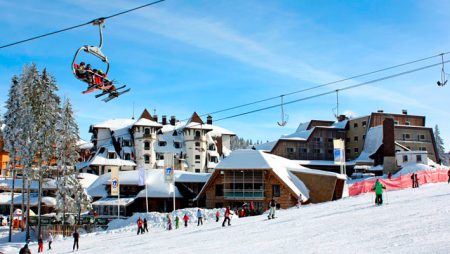
The road to Lukomir (Bosnia’s highest village) deserves special mention. It’s gravel for the last stretch, narrow, and has no barriers despite the drop. Stunning views, but not for nervous drivers. The road up Mount Jahorina? Fine in summer, absolute chaos in winter without snow chains.
Bottom line: main routes are equivalent to anything in Croatia or Serbia. Minor routes are variable. Ask your hire car company about specific destinations if you’re unsure. They’ll know which roads eat tyres for breakfast.
Mountain Roads: Where Your GPS Goes to Die
Bosnia is basically mountains with roads attached. You can’t avoid them, and honestly, you shouldn’t try – the scenery is worth it. But you need to know what you’re getting into.
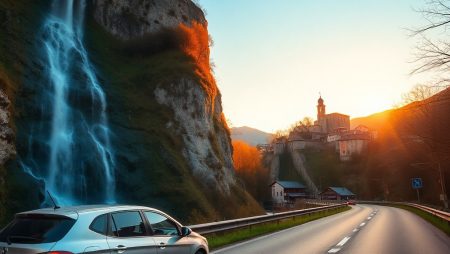
The Ivan Sedlo pass on the road between Sarajevo and Mostar is the main artery south. It’s well-maintained, but it’s steep, winding, and can get jammed in summer. In winter, snow is common and chains may be required. The good news: there are emergency phones and regular services along this route.
The road over Prenj mountain (the route from Mostar towards Neum via the interior) is spectacular and nerve-wracking in equal measure. Narrow lanes, tight bends, and a landscape that looks like something out of a fantasy film. Allow extra time – you’ll want to stop for photos, and you’ll want to drive slower than your GPS suggests.
Phone signal in mountains is patchy at best. There will be stretches of 20-30 kilometres where you have zero reception. Download offline maps before you leave civilization. Google Maps works, but Maps.me is useful for hiking routes if you’re venturing further off-road.
Winter driving (November to March) in the mountains is serious business. Snow chains are often mandatory on certain passes. Hire car companies don’t always provide them automatically – ask specifically and carry them in the boot. Temperatures can drop fast, and what started as a clear day can turn into a whiteout within an hour.
Speed Limits and Cameras: They’re Watching
Speed limits are straightforward: 50 km/h in towns, 80 km/h on open roads, 130 km/h on motorways (where they exist, which isn’t many places). Bosnia has average speed cameras on some stretches of the A1 motorway near Sarajevo. These measure your speed over distance, not just at a single point. Don’t think you can slow down for the camera and speed back up.
Regular speed cameras exist too, especially near towns and on main routes entering Sarajevo. The fines are reasonable – €30-50 for moderate offences – but they’re payable on the spot or at a post office within a few days. Foreign drivers aren’t exempt. Hire car companies will pass fines on to you plus an administration fee.
Police also use mobile speed cameras. These aren’t always obvious, particularly on straight stretches of quiet roads. The locals know where they hide – watch for cars suddenly braking for no apparent reason.
The safest approach? Follow the limit. Roads are unpredictable enough without adding speeding into the mix. And honestly, with the scenery, you’ll want to take it slow anyway.
Police Stops: What They Actually Check
Police stops in Bosnia are more common than in Western Europe, but they’re routine rather than threatening. You’re particularly likely to be stopped if you’re driving a foreign-plated car or a rental (which is obvious to trained eyes).
Carry these documents at all times:
– Your passport or national ID
– Driver’s licence (an International Driving Permit isn’t strictly required for EU/UK licences, but carry one if you’re from outside Europe)
– Vehicle registration (hire car companies provide this)
– Insurance certificate (also from the hire company)
– Rental agreement
Police will check your ID against the rental paperwork. They might ask where you’re going. Answer politely and you’ll be on your way in minutes. Bosnia is a safe country, and the police aren’t looking to hassle tourists. They’re doing routine checks.
Don’t offer to pay a fine on the spot for a made-up offence. Bosnia isn’t a country where this is common. If someone suggests it, that’s a massive red flag. Legitimate fines are processed officially, with paperwork.
Drink driving limits are 0.0 g/l for professional drivers and 0.3 g/l for everyone else. That’s roughly one drink. If you’ve had anything, don’t drive. Police do conduct breath tests, especially near bars and restaurants in city centres on weekend nights.
Fuel: Cheap and Cheeful
This is where driving in Bosnia is genuinely cheaper than neighbouring countries. Petrol costs about €1.40-1.50 per litre, compared to €1.55-1.65 in Croatia, €1.55 in Serbia, and €1.60+ in Slovenia. Over a full tank, you’re saving €10-15 compared to filling up in Croatia.
Petrol stations are reasonably common on main routes. INA and Hifa are the main chains, and both accept cards. Smaller independent stations may be cash-only, so keep some Bosnian Marks handy. One Bosnian Mark (KM) is roughly fixed at €0.51 or €1 equals 1.95 KM.
In remote areas, petrol stations are fewer and further between. The road to the coast from Sarajevo has decent coverage, but some of the more adventurous routes through central Bosnia have long gaps between fill-ups. If you’re heading into the hills, fill up in the nearest town first.
Diesel is also widely available and runs about €0.05-0.10 cheaper than petrol per litre. If you’re hiring for a long trip and have the option, diesel makes economic sense.
Tolls: Almost Non-Existent
Here’s a nice surprise: Bosnia has almost no toll roads. The A1 motorway from Sarajevo towards Zenica is toll-free. Compare that to Croatia, where a one-way trip from Zagreb to Split costs about €23, and you can see why Bosnia is a budget-friendly driving destination.
There are plans to introduce tolls on completed motorway sections, but implementation is slow. For now, assume you’ll pay nothing in tolls within Bosnia. The only exception might be small local bridges or passes in extremely rural areas, but even these are rare.
This makes driving in Bosnia significantly cheaper than in neighbouring countries, especially if you’re covering large distances. A week of driving around Bosnia will cost you fuel and parking, and that’s about it. The same week in Croatia could easily add €50-100 in tolls alone.
Winter Driving: Snow, Ice, and Chains
From November to March, parts of Bosnia see serious snowfall. This isn’t a dusting – mountain passes can get metres of the stuff. Driving in Bosnia during winter is perfectly possible, but you need to be prepared.
Snow chains are mandatory on certain roads during winter conditions. Signs will indicate when they’re required. Hire car companies may provide them on request, but check specifically when booking – don’t assume they’re included. If you’re venturing into mountains, carry chains regardless of whether they’re legally required.
Winter tyres are also compulsory from November to April. Rental cars should have them fitted automatically, but verify before leaving the lot. All-season tyres with the M+S marking are usually acceptable.
The main roads between major cities are ploughed regularly. Sarajevo to Mostar, Sarajevo to Banja Luka, these routes are kept clear. Smaller roads, particularly in the mountains, may be impassable after heavy snow. Check conditions before setting out, and don’t attempt routes you’re not confident about.
Black ice is a real problem, especially on bridges and in shaded mountain areas. If temperatures are near freezing, assume there could be ice and drive accordingly.
Emergency Numbers and Breakdown Help
If something goes wrong, here are the numbers you need:
– 122 – Police
– 123 – Fire
– 124 – Ambulance
– 1282 – Roadside assistance (AMSS – Auto-Moto Savez)
The AMSS (1282) is Bosnia’s equivalent of the AA or AAA. If you’re in a hire car, also call the rental company – they’ll have procedures for breakdowns and often provide the fastest assistance.
Mobile phone coverage is generally good on main routes but drops in mountainous areas. If you’re planning remote routes, tell someone your itinerary and expected arrival time. In serious trouble without signal, flag down another vehicle – Bosnian drivers are generally helpful, and someone will stop.
Healthcare in Bosnia is adequate for emergencies, with major hospitals in Sarajevo, Mostar, and Banja Luka. EU citizens should carry their EHIC card for reduced-cost treatment. Non-EU visitors should have travel insurance that covers medical expenses.
Driving Culture: What to Expect on the Road
Bosnian driving culture is… spirited. Drivers are aggressive by northern European standards but predictable if you understand the local rules. Overtaking on single-lane roads is common, even when visibility is poor. If a local overtakes you dangerously, don’t take it personally – it’s just how things are.
Tailgating is normal. Drivers on main routes will sit close behind you, hoping you’ll speed up or pull over. On multi-lane roads, stay right unless overtaking. On single-lane roads, pull over at the first safe spot to let faster traffic pass – it’s polite and reduces stress.
Headlight flashing has meanings. One flash from an approaching car often means “police ahead” or “speed camera ahead”. It’s a helpful warning system among locals. Multiple flashes can mean “move over” or “there’s a problem with your car”.
Parking in city centres can be challenging. Sarajevo and Mostar have limited central parking. Use paid parking lots rather than trying to find free street parking – it’s rarely worth the hassle. Expect to pay €1-2 per hour in major cities.
Frequently Asked Questions
Do I need an International Driving Permit for Bosnia?
EU and UK licences are accepted without an IDP. Visitors from other countries should carry an International Driving Permit alongside their home licence. It’s not always checked, but it avoids problems at police stops and car hire desks.
Are roads in Bosnia safe for driving?
Main highways and M-roads are safe and well-maintained. Regional roads vary – some are fine, others have potholes and uneven surfaces. Mountain roads require caution, especially in winter. Drive according to conditions and you’ll be fine.
How much should I budget for fuel driving around Bosnia?
Fuel costs about €1.40-1.50 per litre, cheaper than most neighbouring countries. A week of driving 500-700 km would cost roughly €70-100 in fuel, depending on your vehicle’s efficiency. There are almost no tolls, so fuel is your main expense.
What happens if I get a speeding fine in Bosnia?
Fines are €30-50 for moderate speeding offences. Police may issue on-the-spot fines (with receipts) or direct you to pay at a post office. If you’re in a hire car, the fine will be passed to the rental company, who will charge you plus an admin fee.