Sarajevo to Mostar: The Scenic Route Guide (2026)
Everyone talks about the Amalfi Coast or the Scottish Highlands, but nobody mentions the road from Sarajevo to Mostar. That's a mistake. This 130-kilometre stretch through Bosnia's Dinaric Alps follows the emerald-green Neretva River, cuts through dramatic canyons, and connects two of the Balkans' most fascinating cities. The drive takes about two and a half hours if you go direct, but you shouldn't. There are stops along the way that turn a simple transfer into a genuine road trip experience. Whether you're renting a car in Sarajevo for a few days or just making the one-way journey, this route deserves your full attention. Here's how to do it properly.
Why This Drive is Special
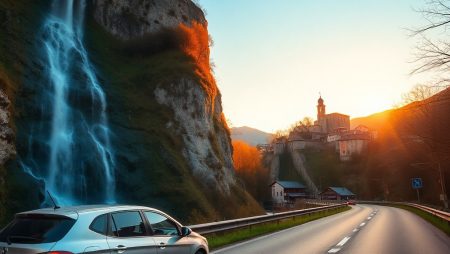
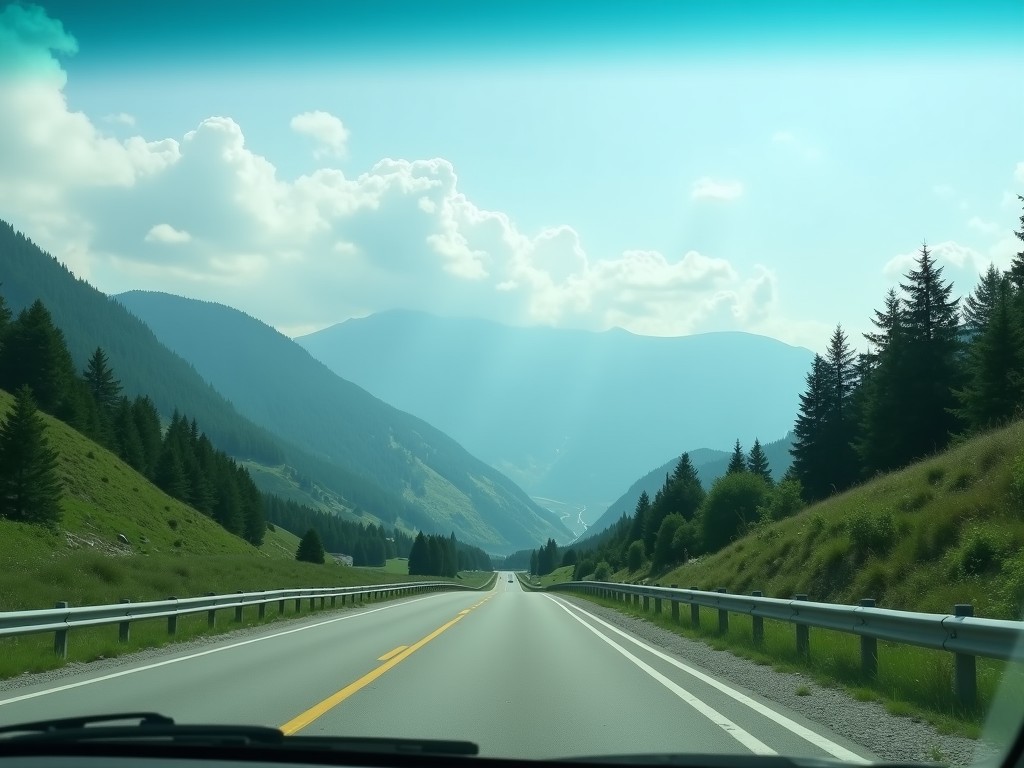
Most visitors to Bosnia either fly into Sarajevo and stay there, or arrive in Dubrovnik and day-trip to Mostar. The stretch between the two cities gets overlooked. That's good news for drivers — the roads are quiet, the scenery is spectacular, and you won't be stuck behind tour buses. The route follows the M17 highway, which roughly traces the path of the Neretva River. For much of the journey, you're either driving alongside the river or high above it, looking down into the canyon. The road itself is in decent condition, though it's narrow in places and there are tunnels. This isn't a motorway — it's a mountain road that demands attention. But that's exactly what makes it rewarding. Every bend reveals a new view: limestone cliffs, ancient villages, abandoned railway bridges, and the occasional waterfall.
The Route: M17 Highway Breakdown
From Sarajevo, you head south on the M17. The first section climbs out of the Sarajevo basin, with views back over the city and the surrounding mountains. After about thirty kilometres, you reach the first major landmark: the town of Konjic. This is your first proper stop. Beyond Konjic, the road enters the Neretva Canyon proper. For the next fifty kilometres, you're driving through some of the most dramatic scenery in the Balkans. The road clings to the mountainside, sometimes passing through short tunnels carved directly into the rock. There are very few places to overtake, so be patient if you get stuck behind a slow lorry. The canyon eventually opens up as you approach Jablanica, and from there it's a gentler run down to Mostar. The total distance is 130 kilometres, but allow three to four hours if you want to stop and explore.
Stop 1: Konjic and the Old Bridge
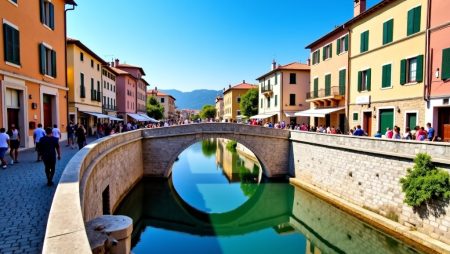
Konjic sits at the confluence of the Neretva and Tara rivers, about halfway between Sarajevo and Mostar. It's a small town with a big claim: the Stara Ćuprija, a six-arched Ottoman bridge built in 1682. Most people rush past Konjic on their way to Mostar's more famous bridge, but Konjic's version is older and far less crowded. The old town around the bridge has been restored and there are a few decent cafes where you can sit by the river. If you have time, the Tara River canyon — one of the deepest in Europe — is nearby. White-water rafting is popular here in summer. For drivers, Konjic is a good place to stretch your legs, grab a coffee, and prepare for the canyon section ahead. There's parking near the bridge.
Stop 2: Jablanica and the Battle of Neretva
An hour south of Konjic, you reach Jablanica. This small town is famous for one thing: the Battle of Neretva in 1943. During World War II, Tito's Partisans destroyed a railway bridge here to slow the German advance, and the story became one of Yugoslavia's founding myths. The original bridge was never rebuilt, but the remains are still visible and there's a small museum. More practically for drivers, Jablanica is where the road leaves the narrowest part of the canyon and starts to widen out. It's a good place to refuel — there's a petrol station on the main road. The town itself is nothing special, but the setting is dramatic, with mountains rising steeply on both sides of the river. If you're interested in Yugoslav history, the museum is worth a quick look.
Stop 3: Blagaj and the Dervish House
Just before you reach Mostar, take the detour to Blagaj. This village is home to the Blagaj Tekija, a 600-year-old Dervish monastery built into a cliff face at the source of the Buna River. The setting is extraordinary — the monastery sits directly beneath a vertical rock wall, with the river emerging from a cave at its base. You can take a boat ride into the cave, or just sit at one of the riverside restaurants and watch the water. The drive from the main road to Blagaj is only about ten minutes, but it's narrow and winding. There's parking in the village, though it fills up on weekends. Allow an hour here if you want to explore properly. The Tekija itself is small but atmospheric, and the water is an impossible shade of turquoise.
Arriving in Mostar
From Blagaj, it's a fifteen-minute drive into Mostar. The approach gives you your first glimpse of the city's famous bridge, Stari Most, spanning the Neretva. Mostar's old town is compact and pedestrianised, so park as soon as you can and walk. There are several car parks near the old town — the one by the Muslibegović House is convenient and reasonably priced. Mostar deserves at least a full day. The bridge is the obvious highlight, but wander through the old bazaar, visit the Koski Mehmed Pasha Mosque for the view, and walk along the riverbanks. The contrast between the restored Ottoman quarter and the war-damaged buildings still visible on the outskirts is striking. For dinner, try the riverside restaurants — grilled meat and local wine are the specialities.
Driving Tips for the M17
This road demands respect. It's not dangerous, but it's not a motorway either. Keep your speed down — the limit is mostly 60 or 80 km/h, and there are speed cameras. The tunnels are unlit in places, so put your headlights on. Overtaking is difficult and risky — wait for the designated overtaking lanes that appear every few kilometres. Fuel up in Sarajevo or Konjic — there are few petrol stations along the canyon section. Mobile phone signal is patchy in the mountains. If you break down, you'll need to flag down another driver to call for help. Finally, don't rush. This is a road to savour, not to conquer. Pull over at the viewpoints, take photos, and enjoy the fact that you've discovered one of Europe's best drives that somehow never makes the lists.
More Balkan road trip ideas
Frequently Asked Questions
How long does the drive from Sarajevo to Mostar take?
Direct driving time is about 2.5 hours. With stops at Konjic, Jablanica, and Blagaj, allow 4-5 hours for the full experience.
Is the M17 highway safe to drive?
Yes, the road is in good condition but narrow and winding in sections. Drive carefully, especially in tunnels and around bends. Avoid overtaking unless using designated lanes.
Can I rent a car in Sarajevo and return it in Mostar?
One-way rentals are possible but may incur a fee. Check with your rental company when booking. Most prefer returns to the original location.
What's the best time of year for this drive?
Spring (April-May) and autumn (September-October) offer the best weather and clearest views. Summer is beautiful but hot. Winter can bring snow to the higher sections.
Do I need a 4WD vehicle for this route?
No. The M17 is paved and suitable for standard cars. A regular sedan or compact car is fine, though something with a bit of power helps on the hills.
Final word
The Sarajevo to Mostar drive is the highlight of any Bosnia road trip. With your own rental car, you control the pace, stop where you want, and experience one of Europe's most beautiful routes at your own speed. Book your car hire with cross-border options if you're continuing to Croatia, and enjoy the journey.
No hidden fees. Free cancellation on many deals. Compare the major suppliers before you book.