Herzegovina Wine Country Road Trip: From Mostar to Čitluk
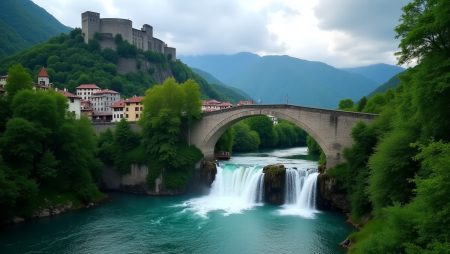
Most people come to Bosnia for the history and the mountains. They miss the wine. That's a mistake. Herzegovina — the southern, warmer half of the country — has been making wine for over two thousand years. The Romans planted the first vines here, and the tradition continued through Ottoman rule, Austrian administration, and Yugoslavia. What emerged is something unique: Mediterranean-style wines made from indigenous grapes in a landscape that looks more like Tuscany than Eastern Europe. The best part? It's all within easy reach of Mostar. You can spend the morning at the Old Bridge, lunch at a riverside restaurant, and the afternoon tasting wines in vineyards that climb the hills above the Neretva Valley. This is wine tourism before the tour buses arrive. Here's how to do it.
Why Herzegovina?
Herzegovina has something rare: a perfect Mediterranean microclimate trapped in the Balkans. The mountains around Mostar block cold northern winds, while the proximity to the Adriatic brings warm, moist air. The result is hot, dry summers and mild winters — ideal for wine grapes. The soil is a mix of karst limestone and red iron-rich earth that stresses the vines and concentrates flavours. The main grape here is Žilavka, a white variety found almost nowhere else. It's crisp, mineral, slightly bitter on the finish, and pairs perfectly with Herzegovina's seafood and lamb. For reds, there's Blatina — soft, fruity, low in tannins, easy drinking. Together they make up most of the region's production. Herzegovina produces only a tiny fraction of Bosnia's wine — less than 15% — but it's the country's quality wine region. Almost everything here is small-scale, family-run, and traditional. This isn't industrial wine production. It's farming.
The Route: Mostar to Čitluk Wine Region
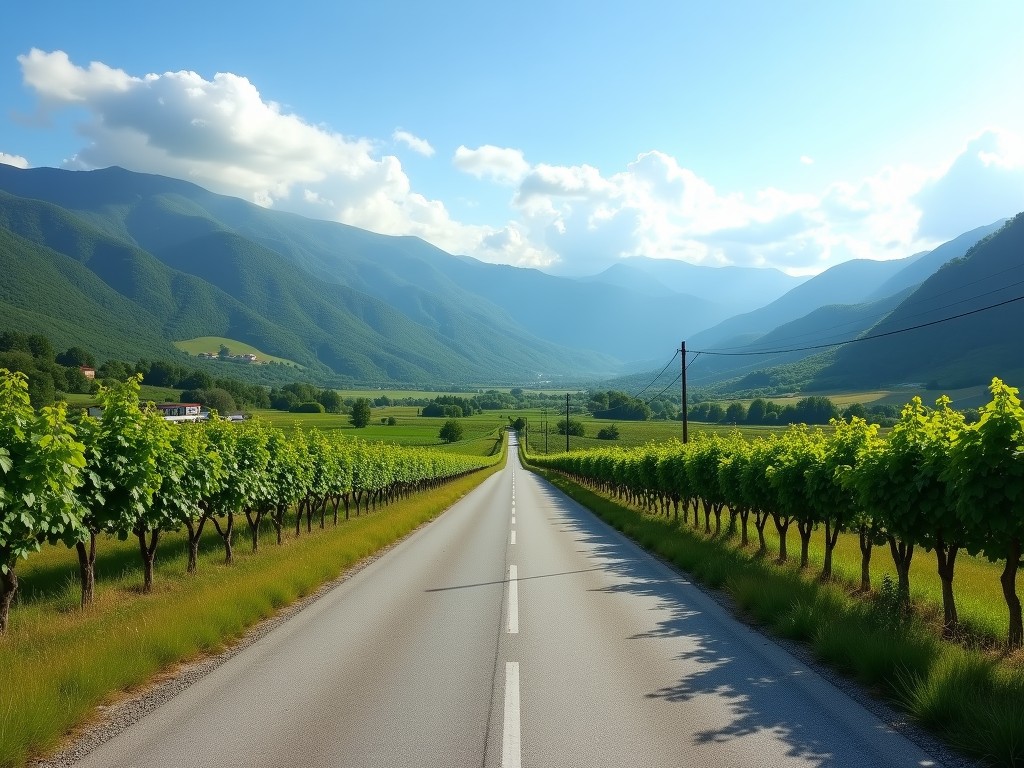
The Herzegovina wine region is compact and easy to navigate. From Mostar, you head southwest on the M6 towards Čapljina and the Croatian border. The wine villages of Čitluk, Međugorje, and Drinovci cluster in the hills just outside Mostar. It's a 15-20 minute drive to the first wineries. The roads are good — paved and signposted — though narrow in places. You don't need a 4WD, but something with a bit of power helps on the hills. The region is small enough to cover in a day. Three to four wineries is a comfortable number — any more and you're rushing and not tasting properly. The best approach is to book tastings in advance, then drive between them in whatever order suits you. Distances are short — rarely more than 10-15 minutes between wineries. Topola is the main wine hub, though Čitluk itself has several producers and a few restaurants. If you want to stay overnight, Mostar is your base — it's only 15 minutes away and has proper hotels and restaurants.
Winery Recommendations
There are a dozen wineries in Herzegovina worth visiting. These are the highlights. Andrija — near Čitluk — is one of the best known. They make excellent Žilavka and Blatina, and their cellar tour explains the region's wine history. Tastings are professional and generous. Škegro — also near Čitluk — is smaller and more rustic. The family has been making wine for generations and their Žilavka is particularly good. Tastings here feel like being invited into someone's home. Brkić — in Gnojnice — is the most modern. They've invested in new equipment and are experimenting with different styles. Worth visiting to see how Herzegovina wine is evolving. All three require advance booking — call or email a few days ahead. Expect to pay €10-15 for tastings of five to six wines, usually with cheese and cured meats. English is widely spoken, especially at the larger wineries. Bring cash — not all take cards.
Practical Tips for Wine Tasting by Car
Drinking and driving laws in Bosnia are strict — the limit is effectively zero for professional drivers and very low for everyone else. Here's how to taste wine responsibly in Herzegovina. First, spit. Professional wine tasting means small sips and spitting into the bucket provided. It's not rude — it's expected. Second, eat. Herzegovina wineries always serve food with tastings — local cheese, pršut (cured ham), bread, olives. The fat helps absorb alcohol. Eat everything they offer. Third, pace yourself. Three wineries is plenty for a day. Any more and you're not tasting, you're drinking. Fourth, designate. If you're travelling with others, have one person who doesn't drink and drives. Or hire a driver — some Mostar companies offer wine tour services. Fifth, water. Drink water between tastings. Dehydration makes alcohol hit harder, and Herzegovina is hot in summer. Finally, check your rental agreement. Some policies have alcohol exclusions. Know what you're covered for before you start.
Combining Wine with Sightseeing
The beauty of Herzegovina is how much you can fit into a day. Start with Mostar — the Old Bridge, the old town, the morning light on the river. Have lunch at a riverside restaurant — grilled trout is the local speciality. Then drive to your first winery for afternoon tastings. On the way back, stop at Medjugorje if you're interested — the pilgrimage site is right in the wine region. Or visit Blagaj — the Dervish house is only 15 minutes from the wineries. If you have more time, the Kravice waterfalls are another 20 minutes south — spectacular in summer and worth the detour. The road from Mostar to Čapljina passes through the Neretva Delta — flat, fertile, covered in citrus groves. It's a completely different landscape from the mountains around Sarajevo. Stop at one of the roadside stands and buy fresh mandarins — they're famous in this region.
More Balkan road trip ideas
Frequently Asked Questions
How far is the wine region from Mostar?
The wineries start 15-20 minutes from Mostar. The region is compact — you can visit 3-4 wineries in a day without rushing.
Do I need to book tastings in advance?
Yes. Call or email a few days ahead. Tastings cost €10-15 and include multiple wines plus local food like cheese and cured meats.
What's the best time of year to visit?
September-October for harvest atmosphere. May-June is also excellent — warm but not too hot. Summer is possible but start early to avoid midday heat.
Can I drive after wine tastings?
Legally risky — Bosnia has strict drink-driving limits. Practically: spit, eat plenty of food, and consider hiring a driver or designating a non-drinking driver.
What wines should I try?
Žilavka (crisp white, mineral, unique to Herzegovina) and Blatina (soft red, fruity, easy drinking). These are the indigenous grapes found almost nowhere else.
Final word
Herzegovina wine country is one of the Balkans' best-kept secrets — beautiful, affordable, and utterly authentic. With your own rental car from Mostar, you can explore the vineyards, taste wines you won't find anywhere else, and combine it with one of Bosnia's most beautiful cities. Book your car hire, plan your route, and discover why Herzegovina deserves a place on your wine map.
No hidden fees. Free cancellation on many deals. Compare the major suppliers before you book.