Sarajevo to Dubrovnik Drive | From €32/day | Car Hire Bosnia
Sarajevo to Dubrovnik Drive | From €32/day | Car Hire Bosnia
Most people fly from Sarajevo to Dubrovnik, or take a tour bus and complain about the lack of control. That’s their mistake. The road from Sarajevo to Dubrovnik is one of the most spectacular drives in the Balkans — a four-hour journey through mountain passes, medieval towns, and the wine-soaked hills of Herzegovina before you drop down to the Adriatic coast. Hiring a car in Sarajevo and driving yourself costs less than a guided tour, and you get to stop wherever you want. Here’s the full run-down on the route, the roads, the border crossing, and everything that matters.
The Route: Sarajevo to Dubrovnik via Trebinje
From Sarajevo, you head south on the M-18 highway — a solid two-lane road that cuts through the hills east of the city. After about an hour you pass the town of Foča, a small riverside settlement that’s worth knowing about if you need a fuel stop or a coffee. The road then swings west, turning onto the M-2 as you approach Trebinje, the southernmost town in Bosnia.
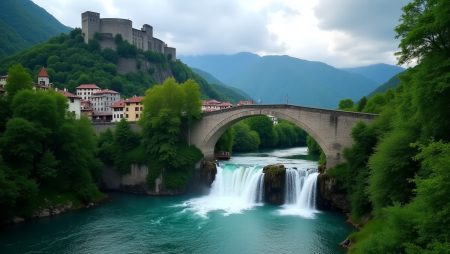
Trebinje itself is a hidden gem that most tourists skip. It sits on the Trebišnjica River, has a charming Ottoman-era old town, and is surrounded by vineyards — this is Herzegovina’s wine country, and the viktorija and žilavka grapes grown here are genuinely excellent. Stop for a tasting if you have time. From Trebinje, the road climbs over a low mountain pass and then drops sharply down into the Konavle Valley, a lush green corridor that marks the border between Bosnia and Croatia.
The actual border crossing is at Dolac-Mitrovići on the main road. Depending on the season and time of day, this can be quick (ten minutes) or painfully slow (an hour-plus in peak summer). After you clear Croatian customs, you’re on the D8 — Croatia’s coastal road — and it’s another 30-40 minutes to Dubrovnik’s old town.
Driving time: approximately 4-5 hours non-stop. With stops at Trebinje and the border, allow 6-7 hours.
Road Conditions: What to Expect
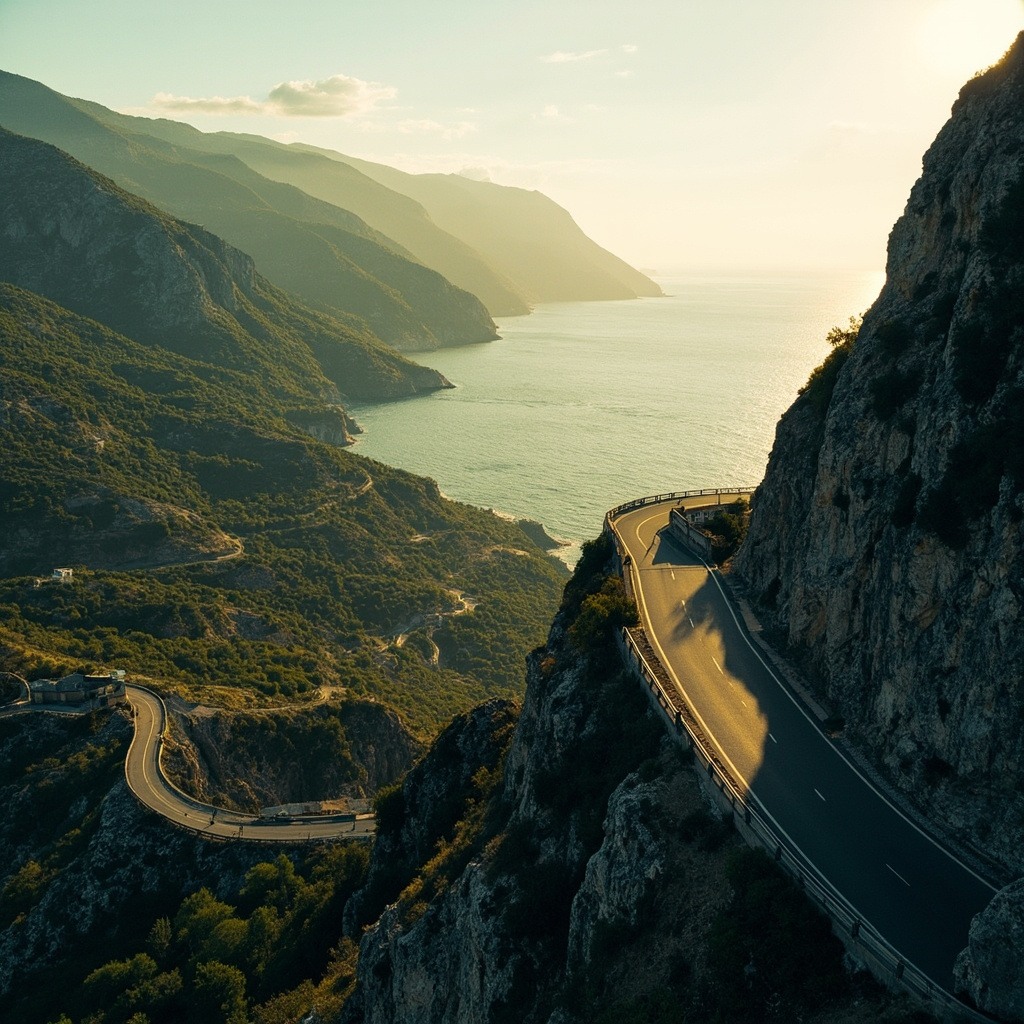
The M-18 from Sarajevo to Foča is in decent condition — a mix of older asphalt and newer sections, nothing dramatic. The M-2 from Foča through Trebinje and down to the border is a better-quality road, winding in places through mountainous terrain. There are no tolls on the Bosnia side. The mountain section before the Konavle Valley has some sharp bends but nothing a competent driver can’t handle.
The Croatia side — the D8 coastal road into Dubrovnik — is narrower and more winding, particularly as you approach the Dubrovnik suburbs. In summer, this road gets congested with tourist traffic. Arrive early in the day if you can.
Tolls and Border Crossing Tips
Bosnia has no toll roads on this route. On the Croatia side, once you cross the border, there are no tolls on the D8 coastal road into Dubrovnik. If you’re approaching Dubrovnik from the north on the main highway (A1), you will hit a toll booth before the city — budget around €5-8 for this.
Border crossing tip: The Dolac-Mitrovići crossing is open 24 hours but gets very busy from around 10am-2pm in summer. If you’re crossing between June and September, do it before 9am or after 6pm. EU citizens pass through quickly. Non-EU passport holders will have a longer check — bring your car rental documents and have them ready. No vignette needed for Bosnia; Croatia has vignettes for motorways but the D8 coastal road doesn’t require one.
What to See En Route
Trebinje: Stop here for an hour. Walk the old town, visit the Arslanagić Mosque (a stunning 16th-century Ottoman bridge and mosque complex), and if you’re into wine, ask at any local restaurant for Herzegovina viktorija — it’s dry, mineral, and nothing like the plonk you get in tourist shops.
Konavle Valley: The stretch from the border down to the coast passes through this green valley. It’s worth stopping if you see a sign for a konoba (traditional restaurant) — the food here is exceptional and cheap compared to Dubrovnik.
Parking in Dubrovnik
Parking in Dubrovnik Old Town is expensive and difficult — expect to pay €8-15 per hour in the central zones. Better options: park at the Pobrežje garage (about a 10-minute walk from the old town) or the Gruž port area, both significantly cheaper. Your car hire company’s no hidden fees policy should mean transparent pricing with no surprise surcharges at the depot — always check your rental agreement before you drive away.
Practical Tips for the Sarajevo to Dubrovnik Drive
- Fuel up in Sarajevo or Trebinje — fuel is cheaper in Bosnia than Croatia, and fuel stations are sparse once you’re on the coastal road.
- Bring Kuna and Euros — Bosnia uses BAM (convertible mark), Croatia uses Kuna (Euro since 2023). Both currencies are accepted in border areas but you’ll get better rates in official exchange offices.
- Border crossing documentation — bring your passport, driving licence, and car rental agreement. International driving permits aren’t required for EU or Australian drivers but are recommended for other nationalities.
- Summer traffic — July and August see heavy congestion at the border and on the D8 approaching Dubrovnik. Leave early.
- Road etiquette — Bosnian drivers can be aggressive on mountain roads. Use your horn on blind bends as a courtesy signal. In Croatia, the D8 coastal road has many single-lane sections — patience is required.
Is Hiring a Car for This Route Worth It?
Absolutely. The independence is worth every cent, and car hire in Bosnia starts from around €32 per day depending on the season. Compare that to a guided tour at €80-150 per person, and the math is obvious — especially if there are two or more of you. You also get to stop in Trebinje, which the tour buses always skip. The only reason not to drive is if you’re completely unfamiliar with mountain roads or you’re visiting in peak August when the border wait could wipe out your schedule.
FAQ
Is the Sarajevo to Dubrovnik road difficult to drive?
Not particularly. The Bosnia section is a well-maintained two-lane mountain road with some winding sections. The Croatia coastal approach is narrower and busier but well-signed. If you can handle winding mountain roads, you’ll be fine.
Do I need a vignette for this route?
No vignette needed for Bosnia. On the Croatia side, the D8 coastal road is toll-free. If you access Dubrovnik via the A1 motorway from the north, you’ll need a Croatian vignette (available at border crossings and petrol stations).
How bad is the Croatia/Bosnia border crossing?
It varies enormously by season and time of day. Summer middays can mean queues of 45-60 minutes. Early morning and evening crossings are typically fast — under 15 minutes. Schengen rules apply: if Croatia is in the Schengen Zone by your travel date, crossing is frictionless.
What’s the best time of year to drive this route?
Late April through June or September through October. Summer brings the best weather but the worst traffic at the border and on the approach to Dubrovnik. Winter is also fine — the roads are generally clear, though snow chains may be required on the mountain sections if there’s a cold snap.
Related Destinations
Looking for car hire in the region? Explore car hire in Sarajevo, car hire in Mostar, and car hire in Dubrovnik for the best rates on your Balkan road trip.