Medjugorje Pilgrimage by Car — Getting There & What to Expect
Medjugorje Pilgrimage by Car — Getting There & What to Expect
Medjugorje has been drawing pilgrims from around the world since 1981, when six young villagers claimed to have seen apparitions of the Virgin Mary on Apparition Hill. Today, it’s one of the most visited Marian shrines in the world, with millions of faithful arriving each year. If you’re planning a pilgrimage by car, this guide covers everything you need to know — from the best routes to getting there, to where to park and what to expect when you arrive.
Where is Medjugorje?
Medjugorje is located in the Herzegovina region of Bosnia and Herzegovina, about 40 kilometres south of Mostar. The small town sits in a valley surrounded by hills, and its significance to Catholics worldwide makes it a unique destination — part religious pilgrimage, part cultural exchange, and part travel adventure.
How to Get to Medjugorje by Car
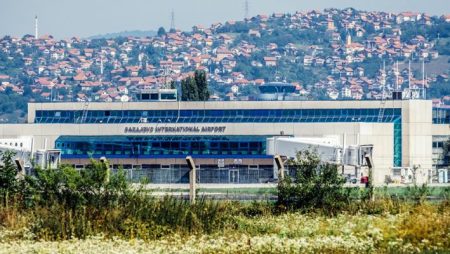
From Sarajevo
The most common route is from Sarajevo, about 130 kilometres away. Take the M17 highway south from Sarajevo, passing through Konjic and Mostar. From Mostar, continue south on the M17 for about 40 minutes. The journey takes approximately 2-2.5 hours under normal conditions.
From Mostar
From Mostar, it’s a straightforward 40-minute drive south on the M17. The road is well-maintained, and you’ll pass through the town of Čitluk before reaching Medjugorje.
From the Coast (Dubrovnik)
If you’re coming from the Dalmatian coast, the drive takes about 1.5-2 hours. Head north from Dubrovnik, cross the border into Bosnia at Doljani (near Neum), and continue north on the M17. Note: have your passport ready for the border crossing.
From Croatia
Many pilgrims fly into Split or Dubrovnik and drive to Medjugorje. From Split, it’s about 2.5 hours via the Adriatic highway and the border crossing at Doljani.
Driving Tips
- Roads: The M17 highway is in good condition for most of the way. The final approach to Medjugorje is via secondary roads, which are narrower but still driveable
- Border crossing: If arriving from Croatia, the border crossing at Doljani is generally quick, but expect queues in peak season (June-August and religious holidays)
- Fuel up: Fill up in Mostar or Čitluk before reaching Medjugorje — fuel options in the town itself are limited
- Winter driving: Roads are generally fine year-round, but winter can bring fog and occasional snow in the hills — drive cautiously
Parking in Medjugorje
Parking in Medjugorje can be challenging, especially during peak pilgrimage season (June, July, and August) and on religious holidays. Here’s what you need to know:
- Parking near the church: There’s a small parking area near St. James Church (the main church), but spaces are limited and fill up quickly
- Private parking: Many pilgrims park in private lots run by local families — expect to pay around €5-10 per day
- Hotel parking: If you’re staying overnight, most hotels have their own parking — book ahead and confirm
- Alternative parking: If the centre is full, you can often find street parking a 10-15 minute walk from the church
What to Expect in Medjugorje
The Apparition Sites
Medjugorje is centred around several key sites, all within walking distance of each other:
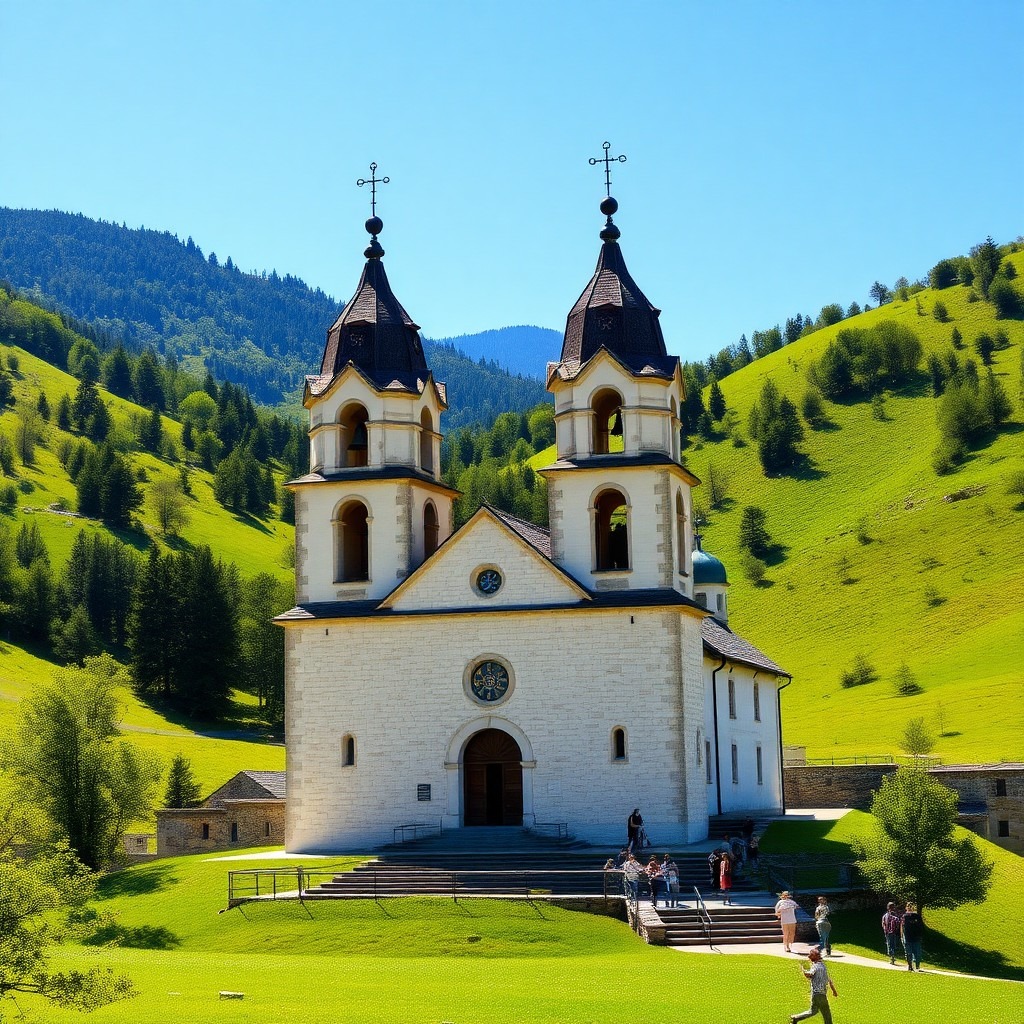
- St. James Church: The main church where daily Mass is held in multiple languages. The church is modest but draws huge crowds for the evening Rosary and Mass
- Apparition Hill (Brdo): The site where the first apparitions were reported. The hill is about a 20-minute walk from the church, and pilgrims often walk the ‘Way of the Cross’ path up the hill
- Cross Mountain (Križevac): A steep hill with a large cross at the top. The climb takes about 30-45 minutes and offers panoramic views. Many pilgrims climb it as a form of penance or devotion
- Medjugorje Statue of the Queen of Peace: A striking statue near the church, often surrounded by candles and flowers
The Atmosphere
Medjugorje has a unique atmosphere that’s part religious devotion, part spiritual retreat. The town is geared towards pilgrims — you’ll find dozens of hotels, guesthouses, restaurants, and shops selling religious items, rosaries, and books. The evenings are particularly special, with the Rosary starting around 6 PM followed by Mass. The church square comes alive with pilgrims from all over the world, singing hymns and praying together.
Language
Bosnian is the local language, but English is widely spoken, especially in hotels and restaurants. Many Masses are held in multiple languages (English, Italian, German, Spanish, Polish), reflecting the international nature of the pilgrimage.
How Long Should You Stay?
Many pilgrims come for just a day — arriving in the morning, visiting the sites, attending evening Mass, and leaving the same night. However, staying overnight allows for a more meaningful experience. You can attend morning Mass, explore the hills, and soak up the peaceful atmosphere without rushing.
We recommend staying at least one night if possible. Two or three nights is ideal if you want to fully experience the spiritual atmosphere and explore the surrounding area.
Nearby Attractions
If you have a car, consider combining your Medjugorje pilgrimage with these nearby attractions:
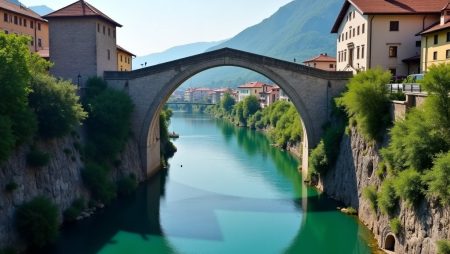
- Mostar: Just 40 minutes north, home to the iconic Stari Most (Old Bridge)
- Blagaj tekke: About 30 minutes from Medjugorje, a stunning Dervish monastery at the mouth of a cave
- Kravice waterfalls: About 30 minutes away, a beautiful tiered waterfall perfect for swimming in summer
- Počitelj: A historic Ottoman town about 20 minutes from Medjugorje
Where to Stay
Medjugorje has a wide range of accommodation, from simple guesthouses to hotels. Many are run by local families and cater specifically to pilgrims. Booking in advance is essential during peak season. Some popular options include:
- Hotel "Mary’s Land": A modern hotel near the church
- Guesthouse Krastavac: A family-run guesthouse with simple but comfortable rooms
- Hotel "Villa Regina": Located near the Apparition Hill, perfect for pilgrims
Car Hire for Medjugorje
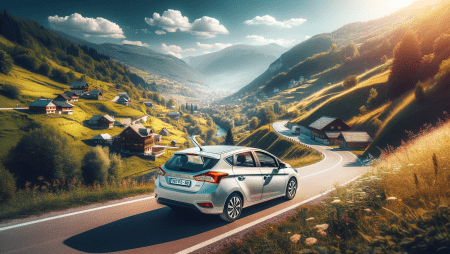
Renting a car gives you the flexibility to explore Medjugorje and the surrounding area at your own pace. You can collect your car in Mostar or Sarajevo and drive to Medjugorje — it’s an easy and scenic journey.
Check our car hire in Mostar and car hire in Sarajevo options to find the best deal.
Final Thoughts
A pilgrimage to Medjugorje is a deeply personal experience, whether you’re a devout Catholic or simply curious about one of the world’s most famous religious sites. Driving yourself gives you the freedom to arrive when you want, stay as long as you like, and explore the beautiful Herzegovina countryside at your own pace. Whatever brings you to Medjugorje, may your journey be peaceful and meaningful.