Jajce to Travnik Day Trip by Car: Bosnia’s Hidden Gems
Most people who visit Bosnia spend their time in Sarajevo and Mostar, which is understandable — both cities are extraordinary. But the interior of Bosnia, the central corridor that runs from Jajce through Travnik to Zenica, is where you find the Bosnia that isn’t performing for tourists. Medieval fortress towns, working Ottoman bazaars, waterfalls in town squares, and the kind of small-restaurant food that’s actually cooked by someone who grew up eating it.
The Jajce to Travnik route is 50 kilometres by road. You can do it comfortably in a day. With a car, you can take the back roads, stop at viewpoints, and end up in Travnik with time for a proper slow lunch before heading back. It is, without question, one of the most underrated day trips in the Balkans.
Jajce: The Town With a Waterfall in the Middle of It
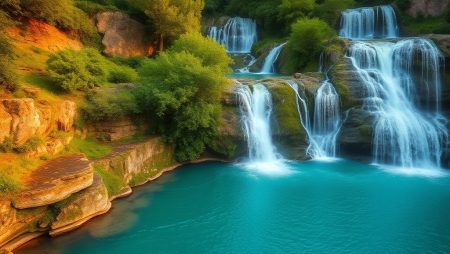
Jajce sits where the Pliva River flows into the Vrbas, and the most remarkable thing about the town is the waterfall. The Pliva drops 21 metres right in the town centre — not on the outskirts, not at a viewpoint you have to hike to, but literally in the middle of the urban area, at the foot of the old bazaar. You can have breakfast at a café 50 metres away and watch it from your table.
This is not something you expect to encounter in a small Bosnian town. It catches everyone off guard, in the best way.
The Fortress
Jajce’s medieval fortress dominates the hill above the town. It was built in the 15th century and served as the capital of the Kingdom of Bosnia in its final decades before the Ottoman conquest in 1463. The walls are largely intact and you can walk a substantial section of them. The view from the top — down to the waterfall, the river confluence, the valley spreading out in both directions — is one of the best views in central Bosnia.
Allow 1.5 to 2 hours for the fortress and the walk up from the old town. Wear proper shoes — the path is cobbled and steep in places.
The AVNOJ Museum
Yugoslavia history buffs will know Jajce for the AVNOJ (Anti-Fascist Council of the National Liberation of Yugoslavia) meeting held here in November 1943, when Tito and the Partisans declared the post-war structure of federal Yugoslavia. The building where it happened is now a museum and worth an hour if this period of history interests you.
The museum is straightforward and informative. It doesn’t romanticise or condemn — it presents what happened. Good artefacts from the period, including the original furniture from the meeting room.
Pliva Lakes
Three kilometres upstream from town are the Pliva Lakes (covered in detail in our Bosnia waterfalls road trip guide). The wooden water mills at the channel between the two lakes are a genuinely magical spot. If you arrive early in Jajce, visit the fortress first, then drive up to the lakes before the midday crowds.
Eat in Jajce
The restaurants around the old bazaar are honest and good. Order the begova čorba (lord’s soup — chicken and vegetable), the klepe (filled pasta dumplings in sour cream), or anything with fresh trout from the Pliva. Prices are very reasonable. Skip the tourist menu where it exists and ask what’s cooking that day.
The Drive: Jajce to Travnik
Distance: 50 km | Time: 45–55 minutes on the main road | Allow more if you stop
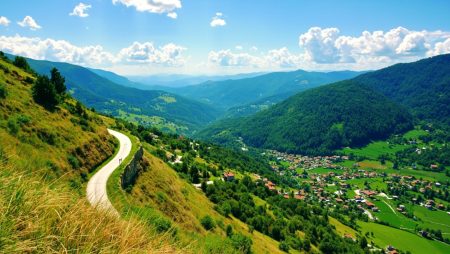
The M5 highway between Jajce and Travnik follows the Lašva River valley. The road is in good condition and the drive is pleasant — green hills, small villages, occasional glimpses of old bridge structures over the river.
If you have time and don’t mind a slightly longer route, ask locally about the secondary roads through the hills. The villages between Jajce and Donji Vakuf on the smaller roads show a rural Bosnia that the main highway bypasses.
A brief stop worth making: the village of Prusac, about 15 km east of Jajce. It’s a small pilgrimage town with an Ottoman mosque and a spring considered holy — the Ajvatovica pilgrimage (one of the oldest Islamic pilgrimages in Europe) terminates here. It’s five minutes off the main road and gives you a sense of how deep the Ottoman influence runs in central Bosnia.
Travnik: Coffee, Mosques, and the World’s Best Ćevapi Debate
Travnik was the seat of the Ottoman viziers of Bosnia for much of the 18th and 19th centuries — the administrative capital of the province when the pashas ruled from here rather than Sarajevo. That history shows in the town’s architecture: Ottoman-era mosques, hans (caravanserais), a substantial fortress, and a bazaar that functions as an actual marketplace, not a tourist attraction.
The Nobel Prize-winning writer Ivo Andrić was born here, and the town has a small museum in his birthplace. Andrić’s novel The Days of the Consuls (Travnička hronika) is set in early 19th-century Travnik and worth reading before the trip if you can find a translation.
Travnik Old Town
The old bazaar (čaršija) is compact and walkable — maybe 400 metres of the main street, with side streets branching off. The Šarena džamija (Coloured Mosque) from 1757 is the most photographed building in town — its exterior walls are decorated with frescoes in a style unusual for Ottoman mosques. The interior is open to visitors outside prayer times. Remove shoes, dress modestly.
The spring at Plava voda (Blue Water) is at the edge of the old town — a clear, cold spring that feeds a small stream running through the town. Locals still fill bottles here. There are a few good café-restaurants along the stream with outdoor seating — a coffee here, watching the water, is one of those quietly perfect travel moments.
Travnik Fortress
The fortress above the town dates to the medieval period and was expanded by the Ottomans. It’s in reasonable condition and has good views over the Lašva valley. The climb from town takes about 20 minutes on foot. Worth it on a clear day.
Eat in Travnik — The Ćevapi Question
Travnik has a legitimate claim to making some of the best ćevapi in Bosnia, which means some of the best in the world (Sarajevo loyalists will disagree, but they’re biased). Travnik-style ćevapi are served with kaymak (cream cheese), chopped onion, and a specific type of somun bread made locally. The ratio of meat to bread to kaymak is different from Sarajevo style — richer, denser.
Go to Ćevabdžinica Dino or ask locals where they actually eat. The places on the main tourist street are fine. The place three streets back where there are no English menus is usually better. Order a full portion, get an extra somun, and do not rush this meal.
Practical Information
From Sarajevo: Jajce is 135 km northwest — about 2 hours on the M5. Start early, do Jajce in the morning, Travnik in the afternoon, back to Sarajevo by evening. Long but doable in a single day.
From Banja Luka: Jajce is 75 km south — under an hour. This route makes sense if you’re coming from the Republika Srpska side or connecting from Una National Park.
Parking: Both towns have parking near the old centres. Jajce has a car park near the waterfall viewpoint. Travnik has parking along the main road through town.
Time needed:
- Jajce: 3–4 hours (fortress + waterfall + Pliva Lakes + lunch)
- Drive: 1 hour
- Travnik: 2–3 hours (old town + mosque + fortress + lunch/coffee)
- Total day: 7–9 hours
Weather: Both towns are in central Bosnia at moderate elevation. Summers are warm and pleasant. Spring (April–June) is green and clear. Winter can bring snow to Jajce especially — the waterfall with ice formations is spectacular if you’re willing to brave the cold.
Make It a Two-Day Trip
If one day isn’t enough (and it might not be), stay overnight in either Jajce or Travnik. Both have small hotels and guesthouses at reasonable prices. Jajce has the edge on setting — waking up to the sound of the waterfall has something to it.
With two days, you can add the Pliva Lakes properly, visit Prusac, explore the smaller villages in the hills, and eat your way properly through both towns without rushing.
Book Your Car Hire in Bosnia
A car is non-negotiable for this route. The connections between Jajce and Travnik by bus exist but are slow and inflexible for a day trip with stops.
Rent your car in Sarajevo through carhirebosnia.com — no hidden fees, free cancellation, and we know the roads. Most rental pick-ups are in Sarajevo city centre or at Sarajevo Airport. The Jajce-Travnik route is entirely on paved roads and suitable for any standard vehicle.
Central Bosnia doesn’t get enough visitors. Jajce and Travnik are two of the country’s best-kept secrets. Get there before they stop being secrets.