Bosnia Car Hire Tips: What Nobody Tells You (2026)
What Nobody Tells You About Renting a Car in Bosnia
So you’re thinking about hiring a car in Bosnia. Good call. This is one of those countries where having your own wheels makes a massive difference. The buses are decent between major cities, but try getting to Blagaj, Kravica waterfalls, or a random mountain village without a car and you’ll understand.
But Bosnia isn’t like renting a car in Germany or France. There are quirks. Things that catch people out. This is the stuff nobody tells you.
Documents You Actually Need
Let’s start with the basics because this one trips people up.
Your driving licence: If it’s in English or uses the Latin alphabet, you’re generally fine. But technically, international driving permits (IDP) are recommended. In practice, most rental companies will accept a UK, Australian, or US licence. EU licences are no problem. If your licence uses a different script (Arabic, Cyrillic, etc.), get the IDP.
Passport: Always. Some companies want to see it, some don’t. Bring it anyway.
Credit card: Almost always required for the deposit. Debit cards? Hit and miss. Some companies accept them, many don’t. Check when you book.
Age restrictions: Most companies require you to be at least 21, and many charge a young driver surcharge for under-25s. Over-70 drivers sometimes face restrictions too. Read the fine print.
The Border Crossing Thing
Here’s where it gets interesting. Bosnia is surrounded by Croatia, Serbia, Montenegro, and a tiny slice of the Adriatic coast. You’ll probably want to cross at least one border during your trip.
Important: Not all rental cars can leave Bosnia. When you book, you need to specify which countries you plan to visit. Some rental companies restrict this. Others charge extra for cross-border insurance (the green card).
The common crossings:
- Bosnia-Croatia: The most popular. Crossings at Metković, Slavonski Brod, and others. EU citizens breeze through. Others may have longer waits.
- Bosnia-Montenegro: Crossing near Foča or Hum. Beautiful drive through the mountains. Border can be slow in summer.
- Bosnia-Serbia: Multiple crossings. Generally straightforward. For Serbia-specific rental info, see carhireserbia.com.
Documents at the border: Keep your rental agreement, passport, and driving licence accessible. Border guards sometimes want to see the car’s registration and insurance documents — your rental company should provide these.
What the Roads Are Actually Like
Bosnia’s roads have improved a lot in the past decade, but they’re still not Western Europe.
Main highways (A1 motorway): Only about 50 kilometres of actual motorway exists, running from Sarajevo towards Zenica. It’s good quality, two lanes each way, and feels like any European highway.
Main roads (M-roads): These are your backbone routes. The M17 from Sarajevo to Mostar, for example. Generally decent, mostly two-lane roads. Some sections have been recently resurfaced. Others have potholes that appear without warning.
Secondary roads: Vary wildy. Some are fine. Others will test your suspension. If you’re driving into rural areas or the mountains, expect narrower roads, switchbacks, and the occasional sheep crossing.
Speed limits: 50 km/h in built-up areas, 80 km/h outside towns, 130 km/h on the motorway (where it exists). Enforcement is inconsistent but speed cameras exist, especially near Sarajevo. Don’t push your luck.
Fuel: What You Need to Know
Fuel is easy to find in cities and along main routes. It gets trickier in rural areas.
Petrol stations: Major brands (MIPS, Petrol, OMV) are reliable. Small independent stations exist but sometimes have older pumps that don’t accept foreign cards.
Payment: Credit cards are widely accepted at major stations. But carry cash (BAM or Euros) — smaller stations and those in remote areas may only take cash.
Prices: Bosnia has some of the cheaper fuel in Europe. That said, prices fluctuate. Budget around €1.40-1.60 per litre as of 2026.
Full-to-full: Most rentals are full-to-full. Fill up before returning the car. Petrol stations near airports often have longer queues and slightly higher prices. Fill up in the city instead.
Parking in Sarajevo and Mostar
Here’s something that catches people out: parking in Bosnia’s cities is not always intuitive.
Sarajevo
The old town (Baščaršija) is largely pedestrianised. Don’t try to drive into it. There are paid car parks around the edges — look for signs saying “plati parking” or just follow where other cars are going.
Street parking in the city centre uses a ticket system. You pay at machines and display the ticket. Fines exist and are enforced. Most hotels have their own parking or arrangements with nearby lots — ask when you book.
Mostar
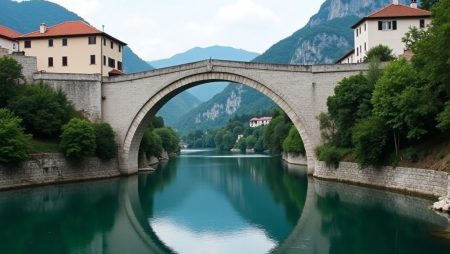
Similar story. The old town area around the Stari Most has limited car access. There are paid car parks on both sides of the river. In summer, they fill up. Arrive early or park a bit further out and walk.
Finding parking in Mostar isn’t hard. Finding free parking near the old town in July — that’s a different story.
Insurance: The Quirks
Bosnia rental insurance has some specific quirks you should know about.
Basic insurance: Almost always included. Covers third-party damage. But the excess (deductible) can be high — often €500-1000 or more.
CDW (Collision Damage Waiver): Reduces your excess if you damage the car. Usually optional, but recommended. Check what it actually covers — tyre damage, windscreen, and undercarriage damage are often excluded.
The undercarriage issue: Bosnia has speed bumps (lejèbe) that can be brutal. Some are poorly marked. Undercarriage damage is common and often not covered by basic CDW. Full coverage insurance is worth considering if you plan to explore rural roads.
Tyre damage: Also commonly excluded. Rural roads can have debris, potholes with sharp edges, and the occasional nail. Check the spare tyre when you pick up the car.
Cross-border insurance: If you’re leaving Bosnia, you need a green card. Some rentals include it, others charge €15-30 extra. Some countries (like Serbia) require it. Ask specifically when you book.
Mistakes Tourists Make
Let’s go through the common ones so you can avoid them.
Not specifying border crossings when booking. This is the biggest one. If you turn up at the Serbian border and your rental agreement says “Bosnia only,” you’re going to have a problem. Some companies will charge you later; others won’t let you cross at all. Always declare your intended countries when you book.
Assuming all credit cards work. We mentioned this already, but it bears repeating. Small petrol stations, rural hotels, even some ticket machines — don’t assume your card will work everywhere. Carry cash.
Underestimating drive times. Bosnia is small but mountainous. A journey that looks like 2 hours on Google Maps might take 3 or more once you factor in road conditions, slow trucks, and photo stops. Build in buffer time.
Not checking the car properly at pickup. Document every scratch, dent, and wheel rim issue on the rental form before you drive off. Take photos. Otherwise, you might be paying for damage you didn’t cause.
Driving at night in rural areas. Not recommended. Roads are unlit in many places, and you’ll encounter everything from pedestrians walking on the road to livestock. It’s fine on main highways, but country roads after dark are best avoided.
Ignoring the spare tyre situation. Some rentals have a full-size spare, some have a temporary tyre, some have a repair kit. Know what you’re getting. If you’re planning remote drives, a full-size spare or at least a can of tyre sealant is worth having.
If You’re Continuing to Montenegro
A lot of Bosnia road trips end up in Montenegro — it’s a natural extension. From Mostar, you can drive to the Bay of Kotor or Podgorica in about 3-4 hours. The border crossing at Hum or Sitnica is straightforward, but can have queues in July and August.
If Montenegro is on your itinerary, check rentalcarsmontenegro.com for specific driving tips and rental advice for the Montenegrin side.
Where to Pick Up Your Car
Your main options are:
- Sarajevo Airport: Convenient if you’re flying in. Multiple rental companies. Premium prices but easy logistics.
- Sarajevo City Centre: Usually cheaper than the airport. Factor in how you’ll get there with luggage.
- Mostar: If you’re arriving by bus or train from elsewhere. Smaller selection of companies, but doable.
- Banja Luka: An option if you’re coming from Croatia’s inland border crossings.
One-way rentals (pick up Sarajevo, drop off Mostar) are possible but usually cost extra. Check with individual companies.
The Bottom Line
Renting a car in Bosnia opens up the country in a way that public transport can’t. The mountains, the villages, the waterfalls, the random roadside restaurants — that’s the real Bosnia. But it helps to know what you’re getting into.
Book early, declare your border crossings, carry cash for fuel, check your insurance excess, and take photos of the car before you drive off. The rest is just exploring.
Bosnia is one of Europe’s most underrated road trip destinations. The roads are manageable, the fuel is relatively cheap, and the scenery is spectacular. Just don’t show up at the Serbian border without mentioning it to your rental company first.