Sarajevo to Jajce Drive | From €18/day | Car Hire Bosnia
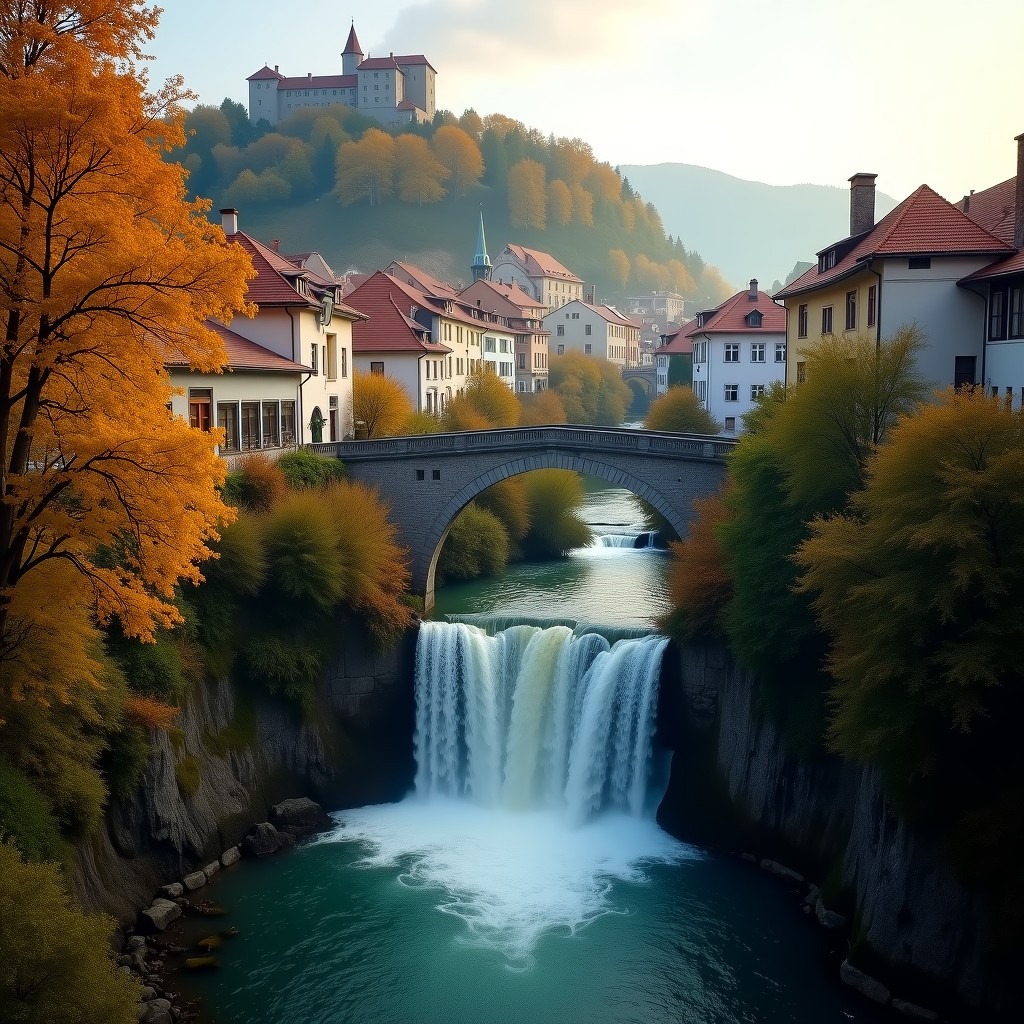
Jajce is one of Bosnia’s most compelling destinations — a small medieval town built into a steep hillside where a 22-metre waterfall drops directly into the centre of town. Unlike most Balkan waterfall towns (which make you hike to them), Jajce’s cascade is right there in the old town, visible from the main square, framed by centuries-old architecture. Driving there from Sarajevo takes you through some of central Bosnia’s most dramatic mountain terrain. This guide covers the route, what to see in Jajce, and how to combine it with a stop at Travnik along the way.
Why Drive from Sarajevo to Jajce?
The route from Sarajevo to Jajce takes you north through Bosnia’s mountain heartland — past theVrbas River valley, through the town of Kakanj, and then climbing into the Bosnian interior. At 193 km, it’s not a quick day trip, but the road quality is generally good and the scenery makes it one of the more satisfying drives in central Bosnia. Jajce itself rewards a half-day visit: the waterfall, the fortress, the ancient catacombs, and the AVNOJ museum all within a compact pedestrianised old town.
Most visitors use Jajce as an overnight stop between Sarajevo and Banja Luka, or as a long day trip from the capital. Either way, having a rental car means you control the schedule and can stop at Travnik (the historic Ottoman administrative centre famous for itsćevapi) on the way.
The Route: Sarajevo to Jajce
The most direct route from Sarajevo to Jajce is approximately 193 km and takes 2h 45m to 3h 15m depending on road conditions and weather.
| Route Detail | Information |
|---|---|
| Distance | 193 km |
| Driving Time | 2h 45m – 3h 15m |
| Main Road | M-5 and M-16 (well-signed) |
| Road Quality | Good asphalt on M-5; some rougher patches on M-16 |
| Tolls | None |
| Fuel Cost | Approximately €22–€28 for the round trip |
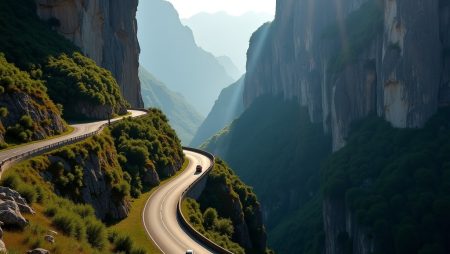
Leave Sarajevo heading northwest on the M-5. This road follows the Bosnia River valley initially before climbing through the mountains south of Kakanj. The M-5 is the main regional highway — two lanes, reasonable quality, some sharp curves in the mountain sections. After Kakanj, the route joins the M-16 heading north toward Donji Vakuf, then continues northeast toward Jajce. The final approach to Jajce descends sharply into the Pliva river valley, with the first glimpse of the famous waterfall as you come into town.
Stop in Travnik on the Way
Travnik is roughly halfway between Sarajevo and Jajce — about 90 km from Sarajevo, or about 100 km from Jajce. It makes an ideal lunch stop. Travnik was historically the seat of Ottoman Bosnia’s viziers, and its old town (Stari Grad) is one of the best-preserved in the country. The 寺 (Sulejmanija Mosque) dominates the skyline, and the Travnik fortress (Stari Grad) sits on the hill above town with views over the valley.
Travnik is also famous for its ćevapi — many Bosnians consider Travnik’s version the best in the country. Look for restaurants near the old town square, particularly around Jajicka Street. A lunch ofćevapi with somun (flatbread) and ayran will set you back around BAM 10–15 (€5–€8).
If you’re not stopping for a full meal, Travnik is worth a 20-minute detour to stretch your legs and photograph the mosque and fortress from the road.
What to See in Jajce
The Jajce Waterfall
The 22-metre waterfall in the centre of Jajce is the town’s showpiece — water from the Pliva River plunges over a limestone cliff directly into the town centre. In winter, ice forms around the cascade, creating an otherworldly scene. In summer, the mist from the falls creates a cool microclimate around the old town. You can view the falls from multiple angles: from the main square, from the staircase that descends beside the cascade, and from the cafe terraces that line the water’s edge.
Jajce Fortress
The medieval fortress above the waterfall dates to the 14th century and was expanded by the Ottomans after their conquest in 1463. Unlike many Balkan fortresses that are bare ruins, Jajce’s walls still enclose a substantial portion of the old town, and you can walk the battlements for views over the Pliva valley. The fortress is free to enter and open during daylight hours.
AVNOJ Museum
The Anti-Fascist Council of the National Liberation of Yugoslavia (AVNOJ) held its second session in Jajce in 1943, deciding the post-war structure of Yugoslavia. The AVNOJ Museum is housed in the building where this historic session took place — a modest room with period furnishings and interpretive panels in Bosnian and English. Entry is around BAM 5 (€2.50). It’s a short visit but an important one for understanding the region’s 20th-century history.
The Catacombs
Beneath the Jajce fortress, a network of underground chambers and tunnels runs beneath the old town. The catacombs were used for various purposes across the centuries — as a refuge during sieges, storage, and in one section, as a medieval church. You can visit part of the catacombs as part of a combined ticket with the AVNOJ Museum.
Pliva Lakes
Just above Jajce town, the Pliva Lakes are a pair of natural lakes connected by a short stream. The larger lake is popular with locals for rowing — traditional wooden gajde boats are available to rent from the boathouses on the shore. It’s a peaceful spot for a walk, especially in the morning before the tourist groups arrive.
Driving Tips for Sarajevo to Jajce
- Road quality: The M-5 and M-16 are the main highways and are generally in good condition, but some sections near Donji Vakuf have deteriorated patches. Drive cautiously on the mountain curves.
- No tolls: Bosnia has no toll roads on this route. Fuel is cheaper than in neighbouring countries — fill up in Sarajevo before departing.
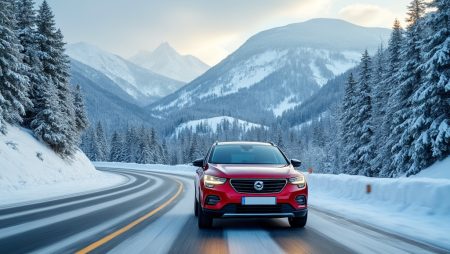
- Winter driving: Snow is possible on this route between November and March, particularly in the mountain sections around Kakanj and Donji Vakuf. Check conditions in winter and carry chains if travelling in the colder months.
- Fuel stops: There are fuel stations in Kakanj and Donji Vakuf. Fill up before the mountain sections if your tank is below half.
- Landmines: This is a well-travelled tourist route and the main roads are safe. However, Bosnia’s rural areas still have uncleared minefields — stay on marked roads and don’t wander off into fields or forest tracks unless you’re with a local guide.
Can You Visit Jajce as a Day Trip from Sarajevo?
Technically, yes — it’s 193 km each way, so a full day trip is possible if you leave early (by 7:00 AM) and don’t linger too long. However, Jajce is better as an overnight stay, giving you time to see the town properly and enjoy dinner beside the waterfall in the evening. Combined with a stop at Travnik, a Sarajevo-to-Jajce drive with an overnight stay makes for a satisfying two-day road trip through central Bosnia.
Jajce FAQ
How far is Jajce from Sarajevo?
Jajce is approximately 193 km from Sarajevo by road. The drive takes 2h 45m to 3h 15m depending on road conditions and weather.
Is there a toll on the road from Sarajevo to Jajce?
No — there are no tolls on Bosnia’s roads. The M-5 and M-16 highways are toll-free.
What is the best time to visit Jajce?
May through September offers the best weather for exploring Jajce on foot. The waterfall is most dramatic in spring after snowmelt (April–May) and in autumn. Winter visits offer a unique atmosphere with ice formations around the falls, but some facilities may be reduced.
Can I combine Jajce with a visit to Travnik?
Yes — Travnik is roughly halfway between Sarajevo and Jajce, making it an ideal lunch stop. Travnik is famous for its Ottoman old town and itsćevapi. A 1-hour stop at Travnik on the way to or from Jajce is well worth it.
Are the roads safe for driving in Bosnia?
The main highways (M-5, M-16) are generally good, though some sections have potholes and the road markings can be faded. Drive cautiously on mountain curves and be aware of slow agricultural vehicles on weekend mornings. In rural areas, stay on marked roads — Bosnia still has uncleared landmine areas.
How long should I spend in Jajce?
Jajce rewards a minimum of half a day — enough time to see the waterfall, walk the fortress walls, visit the AVNOJ Museum, and stroll the Pliva Lakes. An overnight stay allows you to see the town in the evening (the waterfall is lit at night) and explore more slowly.
Summary
The drive from Sarajevo to Jajce is 193 km of central Bosnian mountain terrain, taking just under 3 hours with no tolls. Jajce itself — with its 22-metre waterfall in the town centre, medieval fortress, underground catacombs, and the AVNOJ museum — is unlike any other town in Bosnia. Stop at Travnik forćevapi on the way, spend the night beside the waterfall, and you’ll have one of the more memorable experiences in the Balkans without venturing far off the main tourist routes.