Jajce by Car: Waterfalls, Fortress and the Pliva Lakes Route
Why Jajce Deserves a Dedicated Day (or Two) by Car
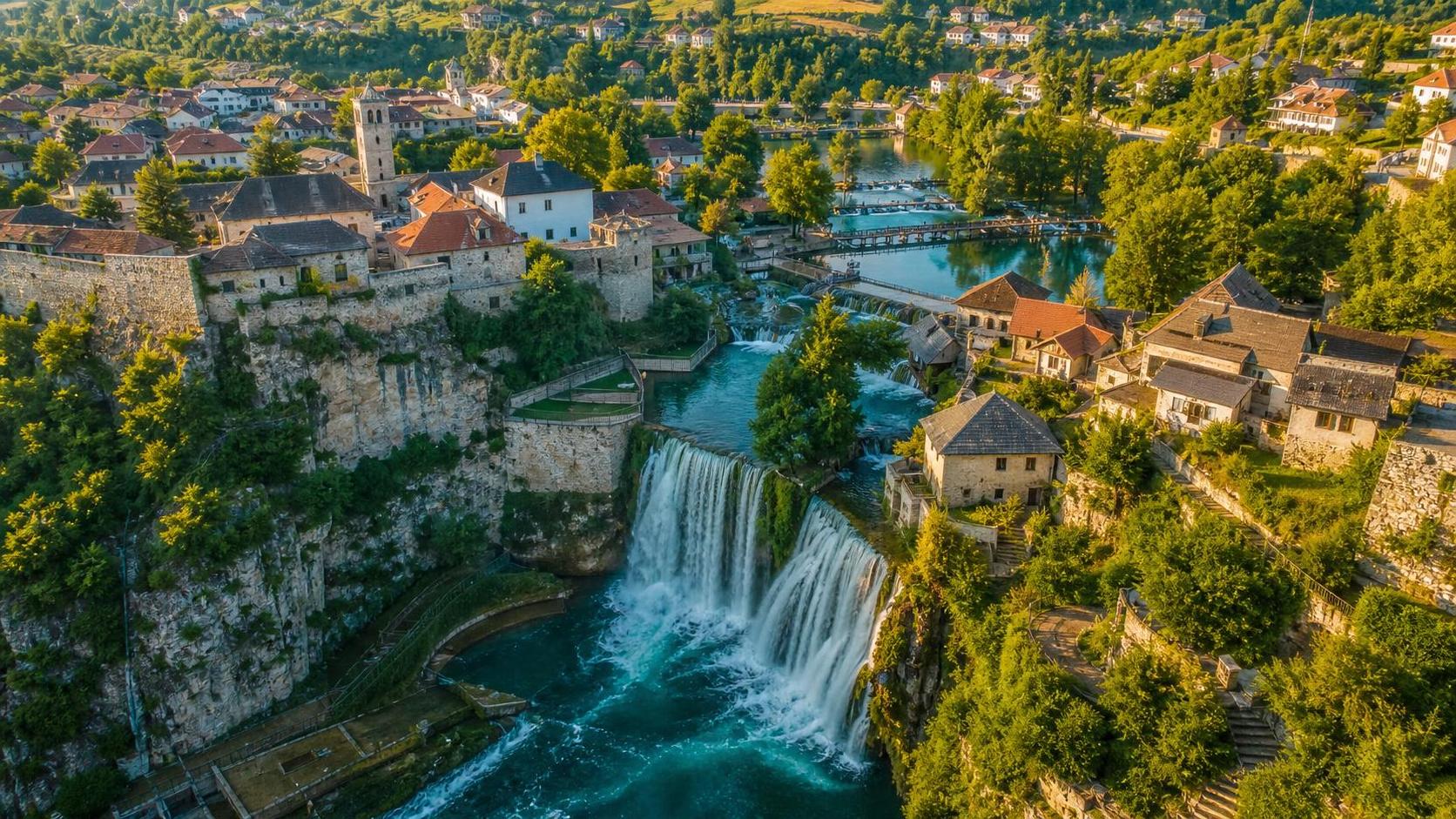
Most travellers speed through Jajce on their way from Sarajevo to Mostar or Banja Luka, clocking the waterfall from the car window and thinking they have seen it. They have not. Jajce is one of those rare Bosnian towns where history, nature and sheer absurdity collide: a 17-metre waterfall plunges straight through the old town centre, a medieval fortress crowns the hill above, and a few kilometres away the Pliva Lakes offer some of the most underrated kayaking and fishing in the Balkans. Having a car here is not a luxury, it is essential. Public buses run, but they will drop you on the main road and you will still be walking 20 minutes uphill to the fortress in midsummer heat.
Getting to Jajce: Driving Routes and Road Conditions
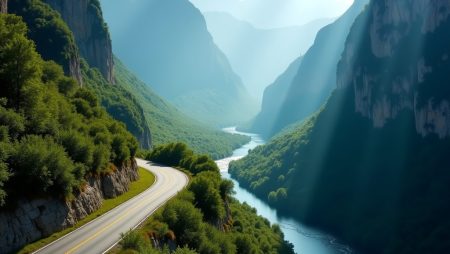
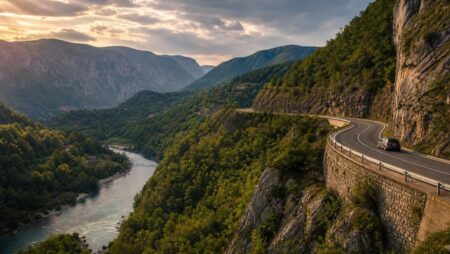
Jajce sits at the crossroads of central Bosnia, roughly two hours from Sarajevo, two and a half from Mostar, and an hour and a half from Banja Luka. The most common approach is via the M16 and M5 roads, which are paved and generally in decent condition outside of winter. If you are coming from Sarajevo, the route via Travnik is the scenic choice: the road winds through the Vlašić Mountain foothills and past Ottoman-era villages that look like they have not changed in centuries. The direct route from Banja Luka along the E661 is faster but less dramatic.
Road conditions vary. The main arteries are fine in summer, but after heavy rain you will encounter potholes and the occasional landslide debris on mountain sections. If you are visiting between November and March, winter tyres are advisable and snow chains are not overkill for the higher passes around Travnik. In summer, standard tyres are fine, but keep an eye out for sudden goat crossings on the narrower rural roads.
For general driving rules in Bosnia — speed limits, tolls and what to carry in the car — check our dedicated guide before you set off.
Parking in Jajce: Where to Leave Your Car
Parking in Jajce is refreshingly uncomplicated compared to Sarajevo or Mostar. There is a paid parking lot on Batala Street, about 200 metres from the old town entrance, costing roughly 1 to 2 convertible marks per hour (about €0.50 to €1). During peak season (July and August) it fills by mid-morning, so arrive early or be prepared to circle. A smaller lot near the waterfall viewpoint on Vodopad Street is closer to the centre but has fewer spaces.
Street parking is available along the approach roads, though the locals tend to park creatively and you should avoid blocking driveways or alleyways. If you are staying overnight, most guesthouses and the two larger hotels (Hotel Jajce and Hotel Pliva) have their own parking. Do not leave valuables visible; Jajce is safe, but opportunistic theft happens anywhere tourists gather.
The Waterfall: The Town’s Beating Heart
The Pliva River waterfall is not some side attraction you visit after lunch. It is the town. The water crashes 17 metres over travertine cliffs directly below the old town walls, and there is something genuinely surreal about standing on a 600-year-old stone bridge with spray in your face while locals queue for bread at the bakery next door.
The best viewing angle is from the wooden platform at the base, reached by a short but slippery trail. Wear shoes with grip, not flip-flops. Early morning (before 9am) gives you the light for photos without the crowds. By midday in July the area is packed with day-trippers and tour buses from Sarajevo. The waterfall is floodlit at night and surprisingly atmospheric if you are staying over.
Jajce Fortress: A Medieval Stronghold with Views
Above the waterfall sits the Jajce Fortress, built in the 14th century and expanded by the Ottomans and later the Austro-Hungarians. The entrance fee is modest (around 5 KM / €2.50) and the climb is steep but short. From the ramparts you get a panoramic view over the town, the Pliva valley and the surrounding hills. It is the kind of view that makes you grateful you have a car, because you can see exactly how remote this place is.
The fortress also houses the remains of a medieval chapel and the Mithraeum, a Roman temple dedicated to the god Mithras that was relocated here during Yugoslav-era conservation work. It is an odd but fascinating juxtaposition: Roman mystery cult ruins inside a Bosnian-Ottoman fortress. Give yourself at least an hour to explore properly.
The Pliva Lakes: Bosnia’s Quiet Outdoor Playground
About five kilometres from the town centre, the Pliva Lakes are actually a chain of interconnected reservoirs created by small hydroelectric dams. The water is startlingly clear and surrounded by dense forest. In summer it is popular with local families for swimming, and the temperature is far more bearable than the Adriatic. There are wooden piers and small beaches on the eastern shore near the village of Pljeva.
The lakes are also home to one of Europe’s last remaining sets of watermills — small wooden structures built on stilts over the channels between the lakes. There were once dozens; about nineteen remain today and they are protected as a national monument. It is a five-minute walk from the main lakeside road and one of the most photographed spots in the region.
Kayak and paddleboard rentals operate from June through September near the main beach area. Prices are low by European standards (around 10 KM / €5 per hour). Fishing is permitted with a local licence, which you can buy at the small shop near the Pliva Hotel.
The Underground Bunker: Josip Broz Tito’s Cold War Hideaway
Jajce hides one of the more bizarre attractions in Bosnia: ARK D-0, also known as Tito’s Bunker. Built in the 1950s as a nuclear command centre for Yugoslavia’s political and military elite, this underground complex stretches over 6,000 square metres beneath a nondescript hill. It is now open for tours and hosts occasional art exhibitions and film screenings.
The bunker is about a ten-minute drive from the town centre, signposted from the main road toward the Pliva Lakes. Tours run roughly every hour in summer and less frequently off-season. It is cold inside even in August, so bring a jacket. Photography is allowed in most areas. Whether you find it fascinating or unsettling, it is undeniably unique.
Day Trips from Jajce by Car
With a rental car, Jajce becomes a hub for central Bosnia rather than just a stop. Sarajevo is two hours east, and the drive itself is worth the trip. Bihać and the Una National Park are about an hour and a half northwest — the rafting there is some of the best in Europe. Travnik, birthplace of Nobel laureate Ivo Andrić, is 45 minutes south and makes an excellent half-day detour.
If you are heading toward the Croatian coast, the border crossing near Bihać is straightforward with a rental car, though you should confirm cross-border permission with your supplier. Most agencies in Bosnia allow it, but it is not automatic and usually carries a small daily surcharge.
Where to Eat and Refuel
Jajce has a modest but decent selection of restaurants. Restaurant Pliva, down by the lakes, does excellent river trout and has outdoor seating with a view. In the old town, Restoran Jajce serves traditional Bosnian dishes — čevapi, dolma, and the local version of bosanski lonac — at prices that will make you laugh after eating in Dubrovnik or Split.
There is a petrol station on the main approach road (E761) just south of the town centre. Prices are in line with the rest of Bosnia, roughly €1.35 to €1.50 per litre for unleaded as of 2026. Cash is still king in smaller establishments, though most restaurants and hotels accept cards.
Car Recommendations for Jajce and Central Bosnia
The roads around Jajce are generally good, but if you plan to explore the surrounding villages or venture into the hills above the Pliva Lakes, a compact SUV or crossover with decent clearance is worthwhile. The main highways are fine for a standard hatchback or sedan, and fuel economy matters on longer trips from Sarajevo or Banja Luka.
If you are arriving via Banja Luka Airport, book ahead in summer — rental fleets are smaller than in Sarajevo and sell out quickly. For more general advice on renting in Bosnia, our Bosnia car hire tips page covers insurance, deposits and what to check before you drive away.
Final Thoughts
Jajce is not trying to be Sarajevo or Mostar, and that is exactly why it works. It is compact, affordable, and packed with genuinely unusual sights — a waterfall bisecting a medieval town, a Cold War bunker under a hill, and wooden watermills older than most European cathedrals. With a car you can see it at your own pace, escape the day-trip crowds by mid-afternoon, and use it as a base for the rest of central Bosnia. Just do not try to see it all from the bus window. You will miss the best parts.