Zenica by Car: Central Bosnia Hub and Vranduk Fortress Access
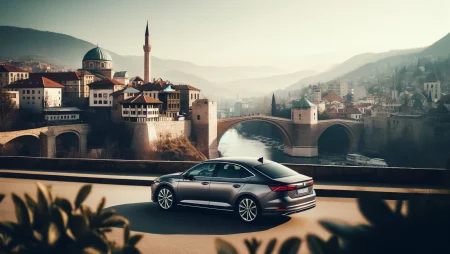
Zenica sits at the geographic centre of Bosnia and Herzegovina, where the Bosna and Lašva rivers meet beneath a ring of forested hills. Most travellers speed past on the E73 motorway between Sarajevo and Banja Luka, never realising that Bosnia’s fourth-largest city hides one of the best-preserved medieval fortresses in the country. With a rental car, Zenica becomes an easy half-day stop or a practical base for exploring central Bosnia without the crowds of Sarajevo or Mostar.
Getting to Zenica by Car
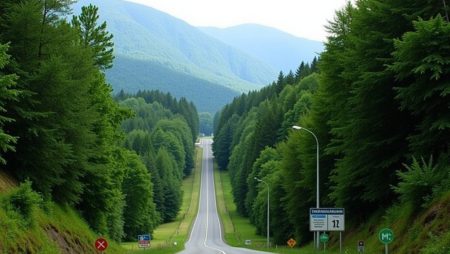
The E73 motorway runs straight through Zenica, making it one of the most accessible cities in Bosnia by road. From Sarajevo, the drive is roughly 75 kilometres and takes about 1 hour 15 minutes on the A1 motorway. From Banja Luka, it is 140 kilometres and around 2 hours via the E661. The road is fully paved, dual-carriageway for most of the route, and well-signposted in both Latin and Cyrillic script.
If you are arriving from Tuzla, the drive is 95 kilometres via the M4 and E73, taking roughly 1 hour 45 minutes. From Bihać in the northwest, the route via Jajce and Travnik is 180 kilometres and takes about 3 hours, but the mountain scenery through the Lašva valley makes it one of the more rewarding drives in the region.
There is no airport in Zenica itself. Most visitors pick up a car at Sarajevo Airport or Tuzla Airport and drive north. If you are doing a multi-city loop, Zenica works well as a midpoint between Sarajevo and Banja Luka.
Parking in Zenica
Parking in Zenica is simpler than in Sarajevo but still requires some local knowledge. The city centre has metered parking zones marked with blue lines. Rates are typically 0.50 to 1.00 BAM per hour, payable at ticket machines or via SMS to 9111. The machines accept coins and some take cards, but keeping small change is sensible.
The large shopping centres on the outskirts, notably Zenica City Center and the BBI Centar branch, offer free parking for the first 2 to 3 hours. These are convenient if you want to walk into the old town centre without hunting for street parking. On weekends, central parking fills quickly with local shoppers, so aim to arrive before 10:00 or after 14:00.
Vranduk Fortress has its own small gravel car park at the base of the hill, holding roughly 15 to 20 cars. It is free and rarely full except during the annual medieval festival in July. The final 200 metres to the fortress gate are a steep, uneven path, so comfortable shoes are essential.
Vranduk Fortress: Bosnia’s Best-Kept Medieval Secret
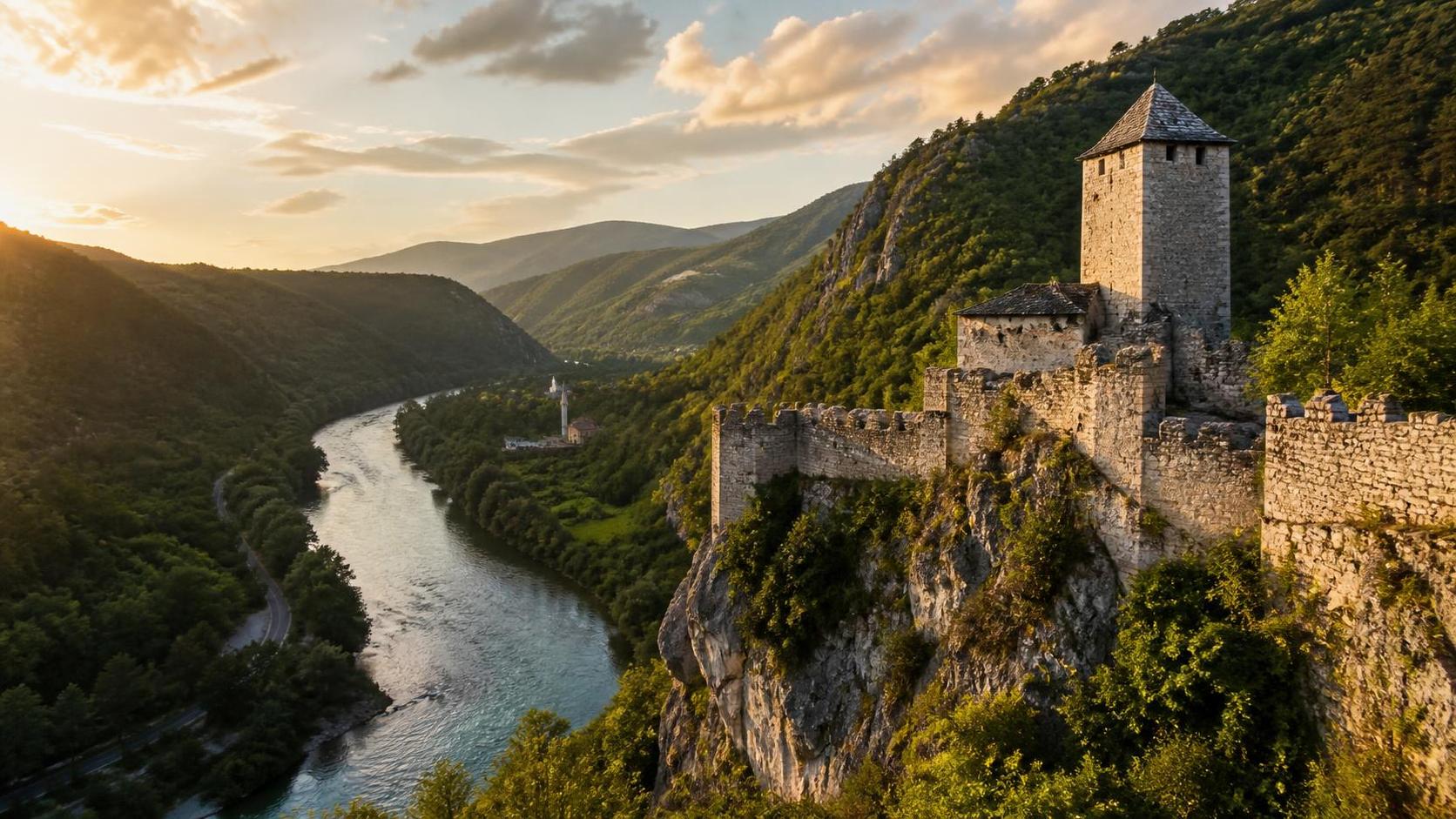
About 12 kilometres northeast of Zenica’s centre, Vranduk Fortress perches on a rocky outcrop where the Bosna River bends sharply. Built in the 14th and 15th centuries, it served as a royal residence for the medieval Bosnian kings before the Ottoman conquest. Unlike the heavily touristed castles of Europe, Vranduk remains remarkably untouched, with original stone walls, a restored keep, and views over the river gorge that justify the short climb alone.
The fortress is open daily from 09:00 to 17:00 in summer and 09:00 to 15:00 in winter. Entry costs 3 BAM for adults and 1.50 BAM for children. A small museum inside the keep displays medieval weaponry, pottery, and documents from the period. The site has no café, so bring water, especially in summer when temperatures in the valley can reach 35°C.
The drive from Zenica centre to Vranduk takes 20 to 25 minutes on a narrow but paved local road. The route follows the Bosna River through villages with traditional wooden houses, and the last 2 kilometres are a single-lane track with occasional passing places. A compact car handles it easily; a larger vehicle requires more care on the tighter bends.
What Else to See Around Zenica
Beyond Vranduk, central Bosnia offers several worthwhile stops within an hour’s drive of Zenica. The Lašva valley, stretching south toward Travnik, is dotted with small mosques, Orthodox churches, and hillside villages where traditional agriculture still dominates. The road itself is scenic, with frequent viewpoints over the river.
For a longer day trip, Jajce is 75 kilometres west, reachable in just over an hour via the E661. The Pliva waterfalls and the medieval fortress town make an excellent pairing with a morning visit to Vranduk. Alternatively, Bihać and the Una National Park are 2.5 hours northwest, best saved for a full day or an overnight extension.
The Bosna River valley north of Zenica also offers informal swimming spots in summer, though water quality varies after heavy rain. Local residents frequent the gravel beaches near the village of Bilješevo, 8 kilometres downstream. There are no facilities, so pack everything you need and take your rubbish with you.
Local Driving Tips for Zenica
Central Bosnia’s roads are generally good but come with a few quirks. The E73 through Zenica is a busy freight corridor, and lorries frequently overtake on uphill sections. Keep a safe distance and expect sudden braking. Speed cameras operate on the A1 motorway between Sarajevo and Zenica, with a limit of 130 km/h on motorways and 50 km/h in built-up areas.
In Zenica itself, the industrial zone north of the river has heavy truck traffic during weekday mornings. If you are staying overnight, choose accommodation south of the river or in the old town centre to avoid morning congestion. Fuel stations are plentiful on the E73 corridor, with prices typically 5 to 10 fenings cheaper per litre than in Sarajevo.
Winter driving requires caution. The Vranduk road and the mountain passes toward Travnik can ice over from December to February. Snow chains are not mandatory on main roads but are advisable if you plan to explore the hills. Winter tyres are legally required from 15 November to 15 April.
Where to Stay and Eat
Zenica has a modest but improving hotel scene. The Hotel Dubrovnik in the city centre is the most established option, with secure underground parking for guests. Several guesthouses in the old town offer a more local experience, though parking is usually on-street. Booking ahead is wise on weekends when the city hosts football matches or industrial conferences.
Food in Zenica is hearty and affordable, reflecting the city’s industrial heritage. Ćevapi, the grilled minced-meat dish that is Bosnia’s national staple, is done particularly well here, with several decades-old establishments near the old bazaar. A full meal with bread and a drink rarely exceeds 15 BAM. For a lighter option, the riverside cafés south of the centre serve decent coffee and pastries with outdoor seating in summer.
Is Zenica Worth the Detour?
Zenica is not a postcard destination like Mostar or Sarajevo, and that is precisely its appeal. It offers an unfiltered look at modern Bosnian life, a spectacular medieval fortress without the tour buses, and a central location that makes day-tripping to Jajce, Travnik, or the Lašva valley effortless. For travellers who have already seen Bosnia’s headline attractions, or for anyone driving the Sarajevo-to-Banja Luka route, a half-day in Zenica is time well spent.
If you are planning a longer Sarajevo to Banja Luka drive, Zenica is the natural midway stop. The Vranduk Fortress alone justifies the detour, and the city’s relaxed pace provides a welcome contrast to the intensity of Sarajevo’s traffic. For more general guidance on Bosnian roads, see our driving in Bosnia tips for first-time visitors.
Search Zenica Car Hire
Ready to explore central Bosnia? Compare car rental options for your Zenica trip and start from Zenica car hire or any nearby city.