Mostar to Banja Luka Drive | From €15/day | Car Hire Bosnia
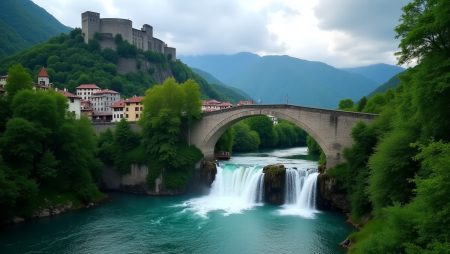
The 190-kilometre drive from Mostar to Banja Luka takes you across one of the most historically layered and geographically diverse stretches of Bosnia and Herzegovina. You leave the Mediterranean climate and Ottoman-influenced architecture of Mostar — the city of the Stari Most bridge — and head north through the dramatic karst landscape of the Herzegovina interior, then into the wooded hills and river valleys of central Bosnia. It’s a drive that reveals a different side of Bosnia to what most tourists see, and it’s accessible year-round with the right preparation.
Why Drive Mostar to Banja Luka?
Mostar is Bosnia’s tourism capital — the Stari Most bridge, the Blagaj tekke riverside monastery, and the nearby Kravice waterfalls draw visitors year-round. Banja Luka is the de facto second city, a university town of around 185,000 people built around the Vrbas River. It has a different character to Mostar — more Habsburg than Ottoman in its architectural flavour, with a large pedestrianised old town, cafes, parks, and a more commercial feel.
The drive between them isn’t just a logistics exercise — the route crosses the Dinaric Alps karst plateau, passes through Jablanica (site of a pivotal World War II battle), skirts lakes formed by the dammed Neretva River, and descends into the Vrbas River valley. For a country often described as “undiscovered” by travel writers, this route reveals why Bosnia rewards the curious traveller.
The Route: M6 and E661
The most direct route from Mostar to Banja Luka follows the M6 regional road north from Mostar toward Jablanica, then continues on the E661 main road north through Konjic and around Sarajevo‘s southern suburbs before heading northwest through Ilidža (Sarajevo’s spa suburb) and on to Banja Luka. Total distance is approximately 190 kilometres, with a driving time of 2 hours 45 minutes to 3 hours 15 minutes.
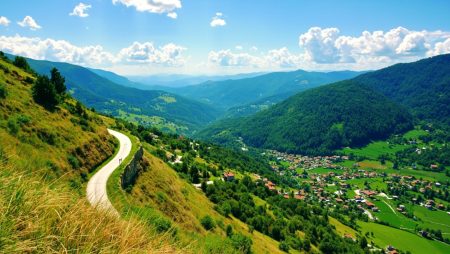
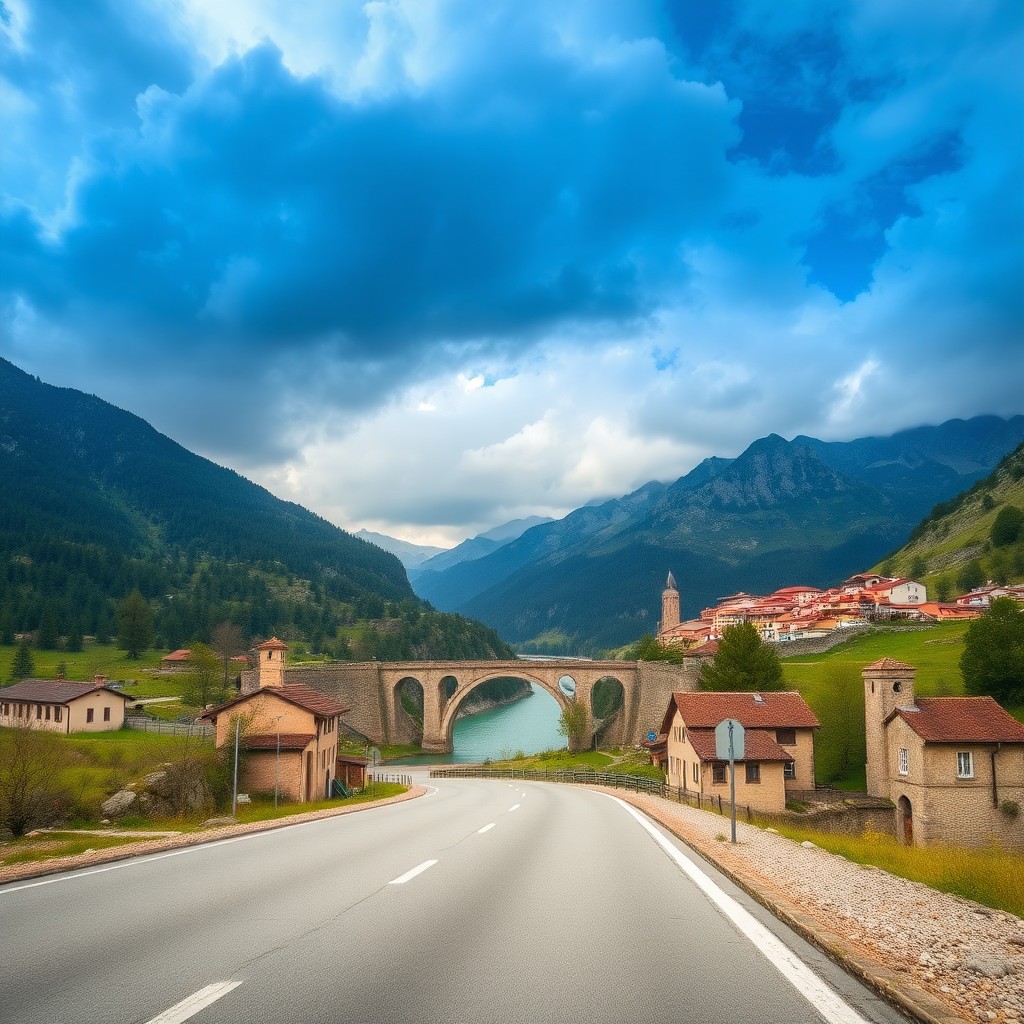
This is not a motorway — the route is a mix of single-carriageway regional road (M6) and the two-lane E661 national road. Road quality varies — some sections are freshly asphalted, others show the wear of heavy trucks and limited maintenance budgets. The section through the Neretva valley between Mostar and Jablanica is particularly dramatic: the road hugs the river gorge, with limestone cliffs rising steeply on either side.
Route Segments
Mostar to Jablanica (35 km, 40 minutes): The M6 road heads north from Mostar following the Neretva River valley. This is one of the most spectacular sections of road in Bosnia — the river runs emerald-green through a deep limestone gorge, and the road curves with it. The Javornik tunnel is a notable engineering feature along this section. Road quality is generally good on this tourist-frequented route, though there are hairpin bends requiring attention.
Jablanica to Konjic (30 km, 35 minutes): Continuing north, the Neretva widens into the Jablanica Lake — a dammed reservoir that the road crosses via a causeway with views across the blue-green water. The historic Jablanica itself is a small town; the main reason to stop here is the excellent Bosnian cuisine at the riverside restaurants. Cevapi, lamb, and freshwater trout are the staples. After Jablanica, the road climbs out of the valley toward Konjic, passing through increasingly forested terrain.
Konjic to Sarajevo-Ilidža (65 km, 1 hour): From Konjic, the E661 continues northwest toward Sarajevo. This section passes through some of the most forested and sparsely populated terrain in Bosnia. The road quality is generally decent but there are slow-moving trucks and agricultural vehicles to contend with. The section approaching Ilidža (the spa suburb of Sarajevo and location of the famous spring where Archduke Franz Ferdinand’s party stopped for water before his assassination in Sarajevo) involves some suburban driving through the town itself.
Ilidža to Banja Luka (60 km, 55 minutes): From Ilidža, the route heads northwest out of the Sarajevo basin, crossing the mountains via the prevoj (mountain pass) at entry to the central Bosnian highlands, then descending into the Vrbas River valley. The Vrbas valley is a beautiful stretch of river flanked by forested hillsides. The road descends gradually into Banja Luka from the south, entering the city via the main southern approach.
Key Stops Along the Mostar to Banja Luka Drive
Jablanica
Jablanica is best known for the Battle of Neretva (1943) — a pivotal WWII partisan victory over Axis forces that is commemorated in the town’s small but interesting museum. But for most travellers, the main reason to stop is the food. The restaurants along the Neretva River serve some of the best lamb in Bosnia — the local specialty is lamb cooked under a metal bell over open coals (known as ćevap or ražnjići depending on preparation), often accompanied by fresh river trout from the Neretva’s abundant fish stock. Allow 1-1.5 hours for lunch.
Konjic
Konjic is a small town of around 30,000 people and is often overlooked by tourists rushing between Mostar and Sarajevo. It’s worth a 20-minute walk through the old town — there’s a 17th-century stone bridge (Konjička đamija) over the Neretva and a bazaar area with traditional crafts. The town is also the gateway to the Bjelašnica and Igman mountains for hiking — though that’s a separate excursion from the main Mostar-Banja Luka route.
Fake Lake (Fatničko Jezero) — Detour
If you have extra time, a detour of approximately 25 kilometres from the E661 near Boljuni village leads to Fatničko Lake — a karst lake in a dramatic limestone sinkhole. The lake is around 30 metres deep and has an almost perfectly circular shape. Locals call it the “fake lake” because of its unusual appearance. It’s rarely visited by tourists and has a wild, isolated character. The detour adds roughly 1 hour to your total journey time including the stop.
Sarajevo-Ilidža (Optional Stop)
Ilidža is technically part of Sarajevo and is best known for its spring — the source of the Bosna River, which has been a spa destination since Roman times. The historic hotel (Hotel Austria) dates from the Habsburg era. The surrounding park is pleasant for a short walk. If you’ve never been to Sarajevo, this is a useful orientation stop — but if you’re heading directly north, you can bypass Ilidža on the northern route without missing anything critical.
Driving Conditions and Road Quality
Be prepared for a road that is fundamentally different in character from Western European driving. The M6 and E661 are two-lane roads with oncoming traffic, occasional unmarked junctions, pedestrians, cyclists, and slow-moving agricultural vehicles. Overtaking requires judgement and patience — only pass when you have clear visibility and sufficient road space.
Road surfaces vary significantly. On the Mostar–Jablanica section, the road has been well-maintained due to tourism traffic. The Konjic–Ilidža section has some rougher patches, particularly on the mountain approaches. The section from Ilidža to Banja Luka is generally good — the road was upgraded in sections ahead of EU connectivity funding projects.
In winter (December through February), snow and ice are common on the mountain sections, particularly around the passes between Konjic and Ilidža. Check current road conditions with your rental company or the Bosnian Automobile Club (BIAMK) before departing in winter. Summer driving is straightforward — daylight hours are long and the roads are generally dry.
Tolls and Fuel Costs
Bosnia does not have a comprehensive motorway toll system. The main toll road is the Sarajevo bypass (which you’re not using on this route) and some tunnel sections. Expect to pay small tolls at the Hadžići tunnel on Sarajevo’s southern bypass — typically €2-4 depending on vehicle class.
Fuel prices in Bosnia are competitive. Diesel costs approximately €1.35-1.50 per litre; petrol (95 octane) is around €1.40-1.55 per litre. Fuel is available at OMV,-shell, and Petrol stations along the route, though stations can be sparse in the more remote mountain sections between Konjic and Ilidža — fill up before leaving major towns.
Car Hire Pickup and Drop-off Notes
If you’re starting in Mostar, the city’s car hire options are more limited than Sarajevo or Banja Luka. Mostar Airport (Ostrava) has limited scheduled flights. Most travellers pick up in Mostar city centre — book in advance and confirm your vehicle is in good condition given the road quality on some sections of this route. Our comparison covers all available suppliers with transparent pricing — no hidden fees, free cancellation included.
One-way rentals between Mostar and Banja Luka are possible but not always straightforward — confirm with your rental company in advance. The cross-border one-way into Montenegro or Croatia from Bosnia is possible but involves additional documentation and potentially higher drop-off fees.
What Makes This Drive Special
Most visitors to Bosnia concentrate on Sarajevo and Mostar — two extraordinary cities that justify the attention. This route reveals the connective tissue between them — the dramatic karst landscapes of the Herzegovina interior, the forested Dinaric Alps, the river valleys of central Bosnia, and the Vrbas River canyon approaching Banja Luka. Bosnia has an complexity that rewards road travel in a way that the rail network — underdeveloped and infrequent — simply doesn’t offer.
The food along this route is exceptional. The lamb from the Jablanica area is a Bosnian food highlight. The river trout from the Neretva is excellent. The wine from the small Herzegovina vineyards (Žilavka and Blatina are the local varieties) is underrated by international standards. Take the time to stop and eat — it’s as much part of the journey as the driving.
Summary: Mostar to Banja Luka Drive
The Mostar to Banja Luka drive covers 190 kilometres through Bosnia’s most varied terrain — from the Neretva valley gorges of Herzegovina, through the mountain roads of central Bosnia, to the Vrbas River valley approaching Banja Luka. Allow 3-3.5 hours without stops, or 5-6 hours if you’re making the key stops at Jablanica, Konjic, and the Fatničko Lake detour.
Book your rental car through our comparison to compare all suppliers currently available for this route, see real-time pricing, and arrange pickup in either Mostar or Banja Luka — no hidden fees, free cancellation included as standard.
## Related Destinations
Looking for car hire nearby? Also explore car hire in Sarajevo, car hire in Mostar, car hire in Banja Luka, and driving in Bosnia guide.
## Mostar to Banja Luka Drive: Frequently Asked Questions
How far is Mostar to Banja Luka by car?
The most direct route via M6 and E661 covers approximately 190 kilometres and takes 2 hours 45 minutes to 3 hours 15 minutes of driving time. With key stops at Jablanica and Konjic, allow 4-5 hours total journey time.
Is the Mostar to Banja Luka road in good condition?
The road is a mix of regional and national roads — not a motorway. The Mostar–Jablanica section is generally good due to tourism traffic. The Konjic–Ilidža mountain section has some rougher patches. In winter, snow and ice are common on the mountain passes. Allow extra time and drive with appropriate caution.
What are the must-stop places between Mostar and Banja Luka?
Jablanica is the essential food stop — the lamb and river trout restaurants along the Neretva are outstanding. Konjic is worth 20-30 minutes for the old town bridge and bazaar. The Fatničko Lake detour (approximately 1 hour total) is for those who want something genuinely off the beaten track — a dramatic circular karst lake in a limestone sinkhole, rarely visited by tourists.
Do I need vignettes or tolls for this route?
Bosnia does not have a comprehensive vignette system. Some tunnel sections charge small tolls (€2-4). The road from Ilidža to Banja Luka is generally free of tolls on the main route. Confirm with your rental company about any road pricing updates before you depart.
Can I do this drive in winter?
Yes, with preparation. Snow and ice are common on the mountain passes between Konjic and Ilidža in December through February. Check road conditions with your rental company or BIAMK before departing. Winter tyres are strongly recommended. Carry warm clothing, food, and water in case of unexpected delays on mountain sections.
Ready to book? Visit our homepage for the best hire car deals.