Best Road Trips from Banja Luka: Exploring Northwestern Bosnia by Car
Banja Luka is one of those cities that rewards drivers. While most visitors rush straight to Sarajevo or Mostar, the northwestern corner of Bosnia and Herzegovina quietly holds some of the country’s most underrated scenery. With a rental car, you can thread your way through the Vrbas River canyon, chase waterfalls, and reach border-crossing day trips into Croatia — all within a couple of hours from the city.
If you are picking up a car at Banja Luka Airport or renting from downtown, these routes make the most of your first tank of fuel.
Route 1: Banja Luka to Krupa na Vrbasu (30 km, ~40 minutes)
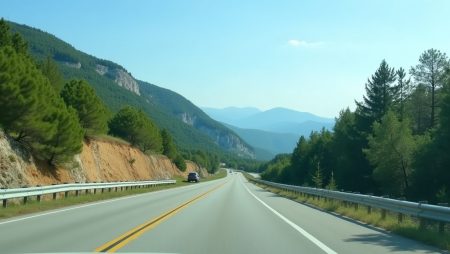
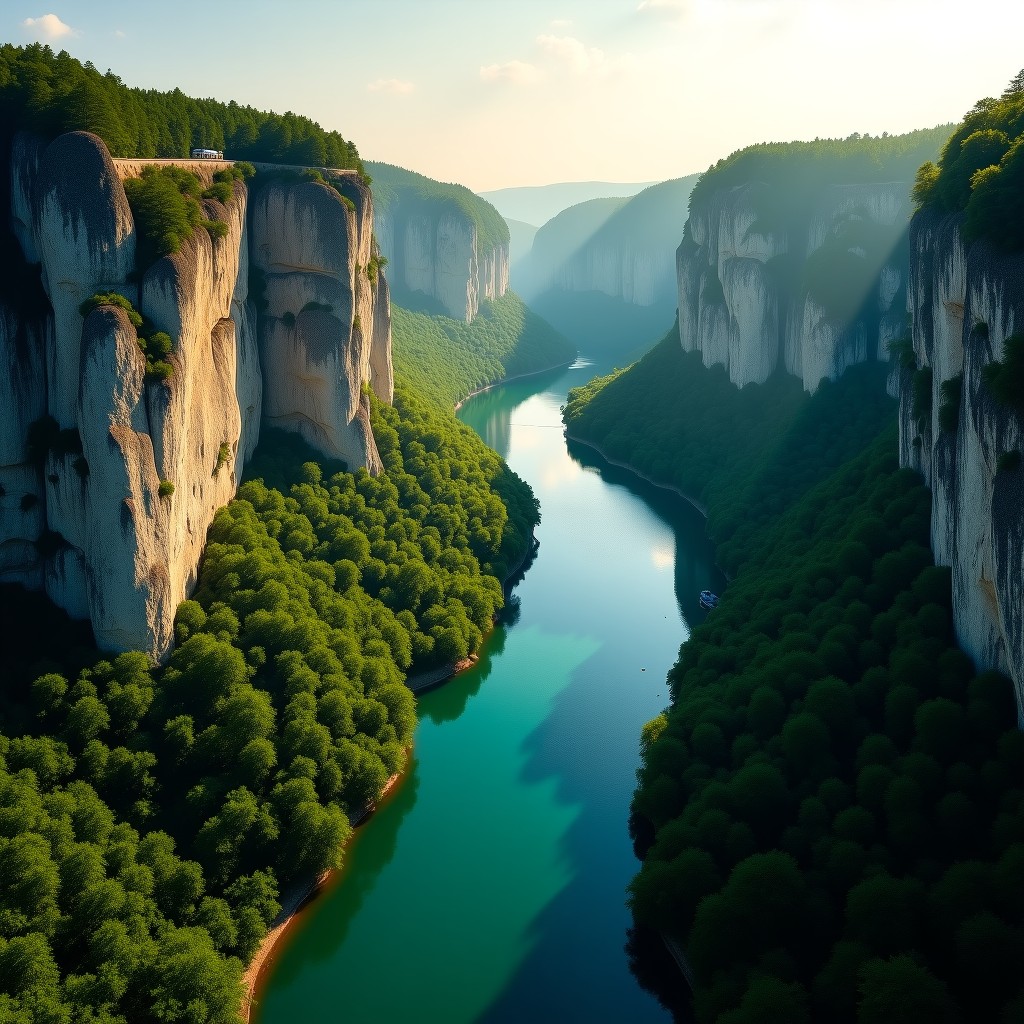
This is the easiest win. Head south on the M16 toward Krupa na Vrbasu and the road hugs the Vrbas River through a tight limestone canyon. The water runs turquoise here, not the muddy brown you might expect from a Balkan river. The village of Krupa itself sits at a confluence where the Krupa River meets the Vrbas, and the 13th-century Krupa Monastery watches over it from a rocky outcrop.
The real draw is the Krupa Waterfalls — a series of stepped cascades right at the edge of the village. In summer, locals swim in the pools below. There is no official parking lot, but you can leave your car along the village road and walk 200 metres to the falls. Arrive before 10:00 AM if you want the place to yourself.
Driving tip: The M16 is narrow and winding through the canyon. Overtaking is risky here; locals know every bend, but you should not rush.
Route 2: Banja Luka to Jajce via the M4 (75 km, ~1.5 hours)
The M4 east from Banja Luka to Jajce is one of the best driving roads in Bosnia. It climbs through mixed forest, drops into the Pliva River valley, and delivers you to a town that was once the capital of medieval Bosnia. Jajce is famous for its Pliva Waterfalls — the only town in Europe with a waterfall in its centre.
But do not stop there. Drive another 10 minutes to the Pliva Lakes, a pair of mirror-still reservoirs where wooden watermills line the shore. In the 19th century, there were over 100 of these mills; about 20 remain today, and they still turn when the water is high enough. The lakeside road is flat and easy — a good place to stretch your legs after the canyon drive.
Driving tip: The M4 is mostly two-lane and well-paved, but watch for stray livestock near the villages of Šipovo and Mrkonjić Grad. If you are driving in autumn, early morning fog can settle in the Pliva valley until about 09:00.
Route 3: Banja Luka to Bihać and Una National Park (100 km, ~1.75 hours)
Head west on the E661 toward the Croatian border and you will reach Bihać, the gateway to Una National Park. The Una River here is a different beast from the Vrbas — wider, faster, and full of rapids. In summer, rafting operators run trips from Kostela to Lohovo, and the water is clean enough to drink.
The Štrbački Buk waterfall is the highlight — a 25-metre drop where the Una crashes over travertine shelves. The viewing platform is a 10-minute walk from the car park. If you have time, loop back via the R404 through Bosanska Krupa; the road follows the river and there are several informal pull-offs where you can stop for a swim.
Driving tip: The E661 is a main road but the surface can be patchy near the Croatian border. The R404 is narrower and slower — budget extra time if you take the scenic loop.
Route 4: Banja Luka to Kozara National Park (70 km, ~1 hour)
North of Banja Luka, the terrain opens into rolling hills and the Kozara National Park. This was partisan territory during the Second World War, and the Mrakovica memorial complex dominates the ridgeline. The monument itself is striking — a concrete spiral that looks like something from another planet.
Beyond the history, Kozara is a solid nature escape. There are marked hiking trails from 2 to 15 kilometres, and the beech forest is thick enough to feel properly remote. The drive up from Prijedor on the M11 is straightforward, but the last few kilometres to the memorial twist sharply.
Route 5: The Vrbas Canyon Loop (45 km, ~1 hour)
If you only have half a day, do this loop. Leave Banja Luka on the M16 toward Krupa, then cut east on local roads through Grabovičko Polje and back into the city from the southeast. The Vrbas canyon section is the star — sheer limestone walls, the river boiling below, and the occasional abandoned Ottoman bridge. The road is narrow and you will not be setting any speed records, but that is the point.
Practical Tips for Driving from Banja Luka
- Fuel: Petrol stations are plentiful in Banja Luka and along the E661, but fill up before heading into the mountains. The last reliable pump on the M16 toward Krupa is in Čelinac.
- Border crossings: The nearest Croatia border points are at Novi Grad (west) and Izačić (southwest). Both are quiet and usually take under 10 minutes outside peak summer weekends. Check our cross-border guide for insurance requirements.
- Road conditions: Main roads (M4, E661, M16) are generally good. Secondary roads can have potholes after winter — watch for patches and loose gravel on the shoulders.
- Speed limits: 50 km/h in towns, 80 km/h on open roads, 130 km/h on motorways (though there are no motorways in this region). Police occasionally set up speed traps near village exits.
When to Go
Spring (April to June) and early autumn (September to October) are ideal. The waterfalls are at their fullest in late spring, and the forest colours in October are worth the trip alone. Summer is fine but busy — the Pliva Lakes and Krupa Waterfalls attract local families on weekends. Winter driving is possible but the M16 canyon and mountain roads to Kozara can ice over.
Related Destinations
Looking for more routes? Also explore our Sarajevo to Banja Luka drive guide, the Jajce and Central Bosnia road trip, or our full guide to driving in Bosnia and Herzegovina for first-time visitors.
Whether you are staying in Banja Luka for a night or using it as a base for a week of northwestern Bosnia exploration, having a car turns a city stopover into a proper road trip.