Sarajevo to Mostar Driving Time | Route, Stops & Tips | Car Hire Bosnia
If you are planning a trip from the capital to the south of the country, the first question on your mind is likely the Sarajevo to Mostar driving time. The short answer is roughly two to two and a half hours, covering about 130 kilometres via the main M17 highway. That is assuming normal traffic and dry roads. In summer, with heavy tourist traffic around Konjic and Mostar, add an extra 20 to 30 minutes. In winter, fog and occasional ice on the mountain sections near Bradina can slow you down. The good news is that this is one of the most straightforward drives in Bosnia and Herzegovina, mostly on paved two-lane roads with clear signage. Whether you pick up your vehicle in the city centre or at the airport, Car Hire Bosnia offers deals with no hidden fees, so the price you see is what you pay.
The Exact Distance and Driving Time
The direct route from Sarajevo to Mostar follows the M17, also marked as the E73 European corridor. The distance is approximately 130 kilometres, or about 80 miles. Under ideal conditions, the drive takes two hours and ten minutes. If you leave Sarajevo early in the morning, before 07:00, you will clear the urban traffic and reach Mostar well before the midday heat. Conversely, leaving between 16:00 and 18:00 on a Friday means hitting local commuter traffic on the outskirts of Sarajevo, plus outbound weekend travellers.
The road climbs out of Sarajevo through a series of bends before levelling out around Bradina, then descends steadily toward the Neretva valley. The steepest gradients and tightest bends are in the first 40 kilometres. After that, the road opens up and you can maintain a steady pace. There are several overtaking lanes for slower vehicles, but patience is required behind lorries carrying timber or local produce. During the July and August peak season, expect camper vans and foreign-registered cars to reduce average speeds.
Route Options: M17 vs the Old Road
Most drivers stick to the modern M17, but there is an older parallel route that some locals still use. Knowing the difference helps you decide which one suits your schedule and comfort level.
The Main M17 Highway
The M17 is the default choice. It is fully paved, regularly maintained, and offers the fastest connection. From Sarajevo you head south on the M18 briefly before joining the M17 toward Konjic. The surface is asphalt in good condition for about 90 percent of the route. There are a few patched sections after Jablanica where winter frost causes cracks, but nothing that requires slowing to a crawl. Street lighting is limited to the villages you pass through, so night driving demands extra attention. There are no tolls on this route, which is a welcome change if you are used to motorway charges elsewhere in Europe.
The Scenic Alternative Through Jablanica
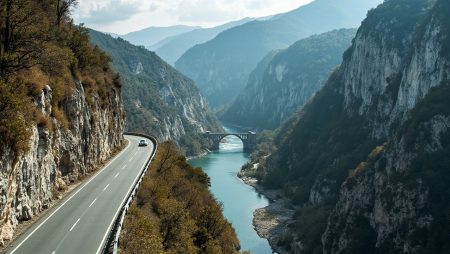
Before the M17 upgrade, the old magistral road ran closer to the Neretva river through Jablanica. Parts of this route are still accessible and offer tighter corners and closer views of the water. The road surface is narrower and less predictable, with patches of gravel in places. It adds roughly 15 to 20 minutes to the journey, but if you are not in a rush and want a more intimate look at the river canyon, it is worth a detour. Just watch for oncoming buses and avoid it after heavy rain, when small rockfalls are not uncommon.
What to Expect on the Road
Bosnia and Herzegovina has made significant investments in its road network over the last decade, but this is still a mountainous country. That means curves, tunnels, and the occasional delayed maintenance. Here is a practical breakdown.
Road Conditions and Surface Quality
From Sarajevo to Bradina the road is in excellent shape. After Bradina, there is a 15-kilometre stretch where frost damage is visible. You will see patched asphalt and the occasional pothole after winter. The section through the tunnel near Konjic is well-lit and dry, but the approach roads can collect water during spring melts. After Jablanica, the surface improves again all the way to Mostar. Low-clearance sports cars are fine in dry weather, but a compact SUV or standard saloon gives you more confidence if you plan side trips to Počitelj or Blagaj on rougher approach roads.
Speed Limits and Police Checks
The speed limit on the M17 is generally 80 kilometres per hour, dropping to 50 through built-up areas. There are fixed speed cameras near Bradina and just south of Konjic, clearly marked with warning signs. Mobile police checks are common on straight sections, particularly during holiday weekends. The police use laser guns and are not lenient with foreign plates. Stick to the limits and you will have no issues. Remember that local drivers sometimes overtake aggressively on blind corners; do not feel pressured to match their behaviour. Stay right, let them pass, and keep your distance.
Tolls and Fuel Stops
There are no toll booths between Sarajevo and Mostar. This keeps costs low, though you should budget for fuel. A compact car will use roughly 8 to 10 litres of petrol for the one-way trip. There are filling stations in Ilidža just outside Sarajevo, in Konjic, and on the edge of Mostar. Fuel prices in Bosnia are generally lower than in Croatia or Italy, but stations in smaller towns sometimes only accept cash in local currency. Carry some convertible marks just in case your card is declined. Diesel is widely available and often cheaper per litre.
Best Stops Between Sarajevo and Mostar
Two hours is a manageable drive, but rushing it means missing some of the best sights in Herzegovina. If you have four or five hours to spare, these stops turn the transfer into a proper day out.
Konjic and the Tito Bunker
Konjic sits about 60 kilometres south of Sarajevo, right at the midpoint. The old Ottoman bridge is worth a quick photo, but the main attraction is ARK D-0, the underground nuclear bunker built for Yugoslav president Josip Broz Tito. It is one of the largest nuclear shelters in the Balkans, buried deep beneath a mountain. Guided tours run daily and last about an hour. The town itself has cafés along the Neretva where you can grab a coffee and stretch your legs. Parking is easy near the bridge.
Jablanica and the Bridge
About 20 kilometres further south, Jablanica is famous for the Battle of the Neretva in 1943 and the partially destroyed railway bridge that still hangs over the river. There is a small museum with wartime photographs and relics. The local restaurants are known for lamb cooked under a sač, a traditional dome-shaped lid covered with hot embers. If you are travelling at lunch time, this is the place to stop. The road down to the bridge is narrow but navigable in any rental car.
Počitelj Before You Reach Mostar
Počitelj appears about 30 kilometres before Mostar, perched on a hillside above the road. This medieval walled town is one of the most photographed places in Bosnia and Herzegovina, and for good reason. The stone houses, mosque, and clock tower create a sharp contrast against the green hillside. You can climb to the fortress at the top for a view over the Neretva valley. The walk takes 20 minutes and is steep, so wear decent shoes. There is a small parking area at the base, though it fills up by midday in summer. Arrive before 10:00 for the best light and fewer crowds.
Blagaj and the Buna Spring
Blagaj is technically a detour east of Mostar, about 15 minutes from the city centre, but most visitors combine it with the same trip. The Buna river emerges from a cave at the base of a cliff, and a historic dervish house sits right at the water’s edge. The water is cold and clear, and the setting is unlike anything else in the region. You can eat fresh trout at one of the riverside restaurants. The approach road is narrow but paved all the way. Parking is limited to a small lot near the main entrance, so patience is required.
Driving Tips for This Route
Even experienced drivers should keep a few local realities in mind when tackling the Sarajevo to Mostar road.
First, the weather changes fast. Morning fog in Sarajevo can lift by 09:00, but low clouds often hang around the mountain passes until late morning. If you are driving in November or March, carry snow chains in case an early or late cold snap hits the higher ground. Most car hire Bosnia suppliers do not include chains as standard, so check when you collect the vehicle.
Second, road signage is in Latin script and Cyrillic. The Latin names are usually underneath, so Mostar is clearly marked. GPS works well on this route, but mobile signal drops in the tunnels and deep valleys. Download an offline map before you leave Sarajevo.
Third, overtaking lanes are short. Trucks and buses are common, and some stretches have no hard shoulder. If you are stuck behind slow traffic, wait for the marked overtaking zones rather than taking risks on blind bends. The penalty for dangerous overtaking is steep, and local police patrol these roads precisely because tourists sometimes misjudge the curves.
Finally, plan your arrival time in Mostar. The old town around Stari Most is pedestrianised, and parking in the centre is tight. There are paid car parks on the western bank of the Neretva within walking distance of the bridge. If your accommodation is in the old town, drop bags first and then move the car to a secure lot for the duration of your stay.
Why Rent a Car for the Sarajevo to Mostar Drive
You can take a bus from Sarajevo to Mostar, and the journey takes a similar amount of time. However, the bus drops you at the station and leaves you to organise onward transport to Počitelj, Blagaj, or your hotel. With a rental car, you control the timetable. You can leave Sarajevo at dawn, stop in Konjic for breakfast, photograph Počitelj in the soft morning light, and still reach your Mostar hotel by early afternoon.
The cost of a rental car for this trip is often lower than two bus tickets plus taxis, especially if you are travelling as a pair or group. Car Hire Bosnia compares rates from local and international suppliers, and every quote includes the essentials: collision damage waiver, theft protection, liability cover, and local taxes. There are no hidden fees, so the rate shown at booking matches what you pay at the counter. You also get unlimited mileage, which means side trips to Medjugorje or the Kravice waterfalls do not cost extra.
Arriving in Mostar
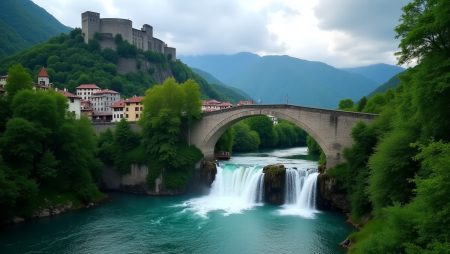
Mostar greets you with warm air, the sound of the Neretva river, and the unmistakable silhouette of Stari Most. The final approach into the city follows the riverbank and offers a clear view of the bridge before you even park. Once you have secured your vehicle, the old town is compact and best explored on foot. Stari Most is the obvious highlight, but do not miss the Koski Mehmed Pasha Mosque for a panoramic view, the old bazaar for copperware, and the War Photo Limited exhibition for context on what this city endured in the 1990s.
If you are continuing your journey, Mostar is an excellent base. From here you can drive to the Croatian coast in under an hour, head east to Blagaj, or south to the pilgrimage site of Medjugorje. The roads south and west are generally in good condition, and the border crossing into Croatia at Metković is straightforward with a rental car if you have arranged cross-border permission in advance.
Booking your vehicle before you arrive guarantees availability and locks in the best price. Compare car hire Sarajevo or car hire Mostar deals today and turn the Sarajevo to Mostar drive into the highlight of your Bosnia and Herzegovina trip.
Ready to book? Visit our homepage for the best hire car deals.