Driving in Bosnia and Herzegovina: Essential Tips for First-Time Car Hire Visitors
Bosnia and Herzegovina is one of the most rewarding countries to explore by car — dramatic mountain passes, turquoise rivers, and medieval towns are scattered across a compact landscape that rewards drivers who take their time. But the roads here are not like Western Europe, and a few local tips will keep your trip smooth, safe, and genuinely enjoyable. Whether you are picking up a car at Sarajevo Airport, Mostar, or Banja Luka, here is what every first-time visitor should know before turning the key.
Road Conditions and What to Expect
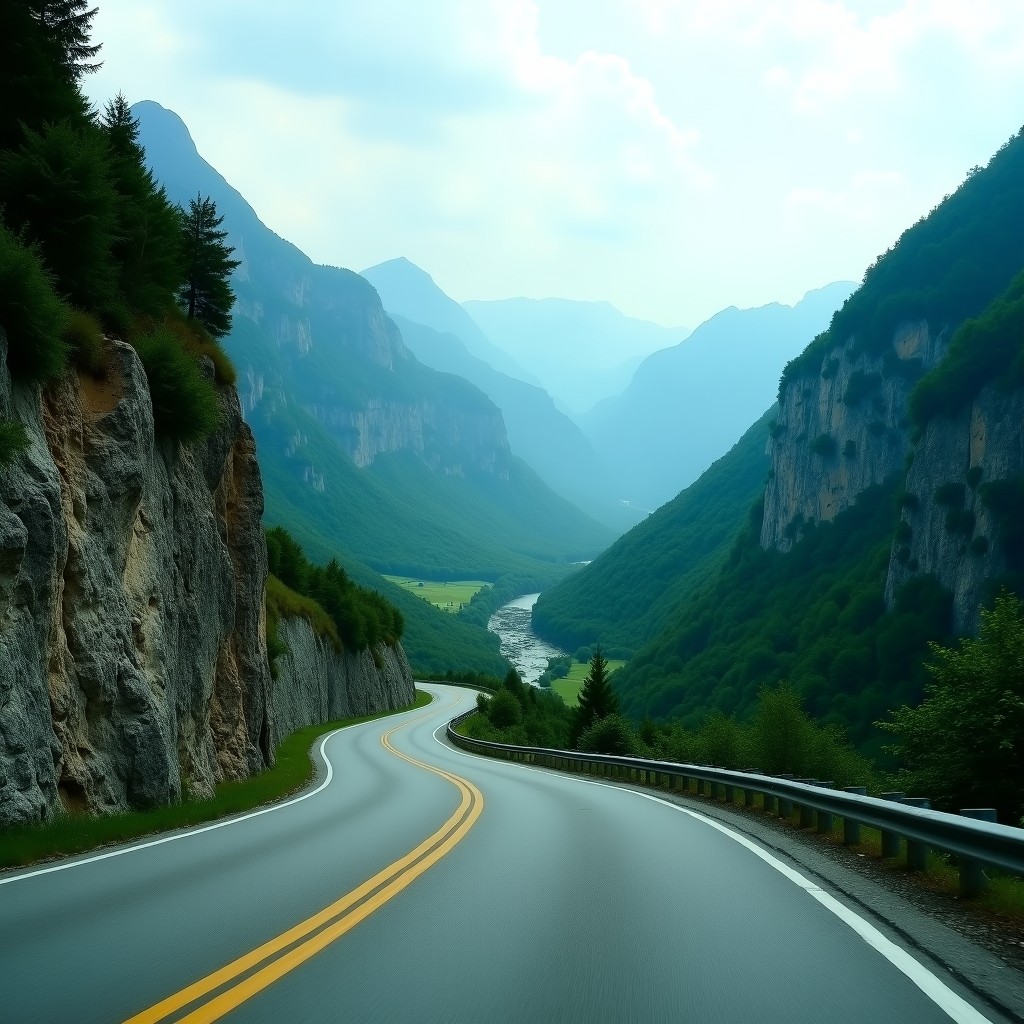
The main motorways — the A1 from Sarajevo toward Zenica and the M17 along the Neretva Valley toward Mostar — are generally in good condition, with smooth asphalt and clear signage. But once you leave the primary corridors, the quality drops fast. Mountain roads like the route from Sarajevo to Trebinje or from Jablanica to Bihać are narrow, winding, and often patched rather than resurfaced. Potholes are common after winter, and some rural routes still have gravel sections. The good news? Traffic is light, fuel is cheap, and the scenery more than makes up for the slower pace.
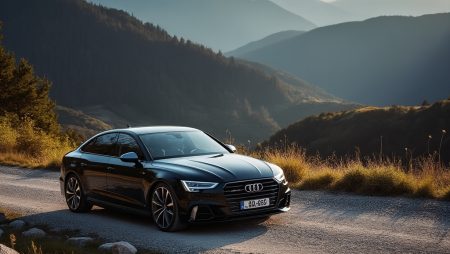
If you are heading into the mountains, a vehicle with decent ground clearance is worth considering. While a compact city car will handle Sarajevo to Mostar comfortably, the steep switchbacks toward Zenica or the backroads around Jajce are easier in something with a bit more suspension travel. Most suppliers offer SUVs and crossovers at competitive rates, especially if you book in advance.
Driving Rules and Local Habits
Bosnia drives on the right, overtakes on the left, and uses the metric system — so speed limits are in kilometres per hour. The general rules are straightforward: 50 km/h in towns, 80 km/h on open roads, and 130 km/h on motorways. But here is the local reality: speed limits are treated as suggestions on open highways, and police do operate mobile speed traps, especially on the A1 and near border crossings. A GPS with speed camera alerts is not a bad investment.
Headlights must be on at all times, even during the day — this is a legal requirement and enforced. Seatbelts are mandatory for all passengers, and the drink-drive limit is effectively zero. Do not risk it. Bosnian police are polite but thorough, and a roadside breathalyser test is standard procedure during any stop.
One local habit that catches visitors off guard: Bosnian drivers are confident on mountain roads and will overtake on blind corners if they think they can make it. Stay alert, use lay-bys to let faster traffic pass, and never assume an oncoming car will stay in its lane around a bend.
Border Crossings and Cross-Border Driving
Many visitors rent a car in Bosnia and drive into Croatia, Montenegro, or Serbia — and this is perfectly possible, but only if you arrange it at the time of booking. Not all rental suppliers allow cross-border travel, and those that do will require a green card (international motor insurance certificate) and may charge a small daily cross-border fee. The most common crossing is Bosnia into Croatia at Bijača-Neum or toward Dubrovnik, and the border is usually quick for EU and UK passport holders.
If you are planning a Sarajevo to Split drive or heading to the Dalmatian coast, confirm cross-border permission before you collect the vehicle. Our cross-border travel guide covers the paperwork, insurance, and practical tips in detail.
Parking in Bosnian Cities
Parking is generally affordable and straightforward, but each city has its own quirks. In Sarajevo, the Old Town (Baščaršija) has limited street parking and most visitors use paid garages near the Latin Bridge or the Holiday Inn. In Mostar, parking near Stari Most fills up fast in summer — arrive before 9 am or use the larger lots on the west side of the river. For a full breakdown of zones, costs, and safe spots, see our Sarajevo parking guide and the Mostar parking guide.
Smaller towns like Trebinje, Jajce, and Medjugorje rarely have parking issues, but always check whether the street requires a local parking disc — some residential zones in Sarajevo and Banja Luka do.
Fuel, Tolls and Costs
Fuel is significantly cheaper than in Western Europe — expect to pay around €1.20-1.30 per litre for petrol and slightly less for diesel. Most stations are staffed (self-service is rare), and credit cards are widely accepted. The A1 motorway has tolls, but they are modest — a full crossing from Sarajevo toward Zenica costs around €2-3. Rural roads and the M17 corridor are toll-free.
Car hire rates in Bosnia are competitive. Expect to pay from €18-25 per day for a compact manual car in shoulder season, and €30-40 in July and August. SUVs and automatics command a premium but are still cheaper than equivalent vehicles in Croatia or Italy. Booking early always secures the best rate, and most suppliers include basic insurance with no hidden fees.
Safety and Practical Advice
Bosnia is a safe country to drive in, but a few practical points are worth noting. Mountain weather changes fast — a sunny morning can turn into fog and rain by afternoon, especially around the Igman and Bjelašnica mountains near Sarajevo. Always carry a warning triangle, reflective vest, and first aid kit — these are legally required and checked at roadside inspections.
Mobile coverage is good on main roads but patchy in deep valleys and remote areas. Download offline maps before you set off — Google Maps works well, but OsmAnd is more reliable for rural Bosnia where Google sometimes lacks detail. If you are driving the Sarajevo to Mostar route, the road is well mapped; if you are venturing toward Sutjeska National Park or the Perućica primeval forest, offline navigation is essential.
Best Routes to Drive in Bosnia and Herzegovina
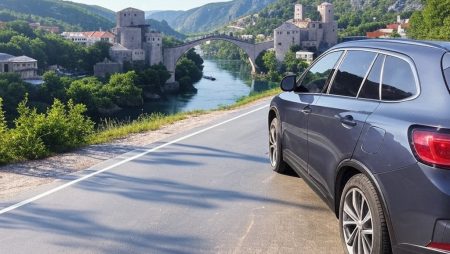
If you have time for only one drive, make it the Sarajevo to Mostar road — the M17 follows the Neretva River through a canyon that rivals anything in the Alps, with stops at Konjic, Jablanica, and Počitelj. For a longer adventure, the Sarajevo to Banja Luka drive crosses the country’s mountainous spine and drops into the green Vrbas Valley. And if you want something truly off the beaten path, the road from Jajce to Travnik through the Pliva Lakes is a local secret that few tourists ever see.
Frequently Asked Questions
Do I need an international driving permit for Bosnia?
Yes, if your licence is not in Latin script or is from outside the EU/EEA. UK, US, Canadian, Australian, and most European licences are accepted without an IDP for short visits, but carrying one is still recommended and avoids any confusion at police checks.
Is it safe to drive in Bosnia at night?
On motorways and main roads, yes. On rural mountain roads, less so — many lack lighting, guardrails, or reflective markers. If you are not familiar with the route, plan to arrive before dark.
Can I drive a rental car from Bosnia into Croatia?
Yes, but you must arrange cross-border permission with your supplier in advance. Most allow it for a small daily fee, and you will need a green card for insurance. See our cross-border guide for full details.
What side of the road does Bosnia drive on?
The right-hand side, with overtaking on the left. Roundabouts follow the continental European pattern: give way to traffic already on the roundabout.
How much does car hire cost in Bosnia and Herzegovina?
Compact cars start from around €18-25 per day in low season and €30-40 in peak summer. SUVs and automatics are more expensive but still cheaper than in neighbouring Croatia. All-inclusive packages with full insurance are available and recommended for peace of mind.
Related Destinations
Planning your Bosnia road trip? Also explore Sarajevo car hire, Mostar car hire, Banja Luka Airport car hire, and our Sarajevo to Mostar driving guide for route inspiration.